37993
Person typing on a laptop

Learn

Home Insight
May 25, 2026

Enhancing Asset Performance for the Future – Electrification at 700 Collins Street

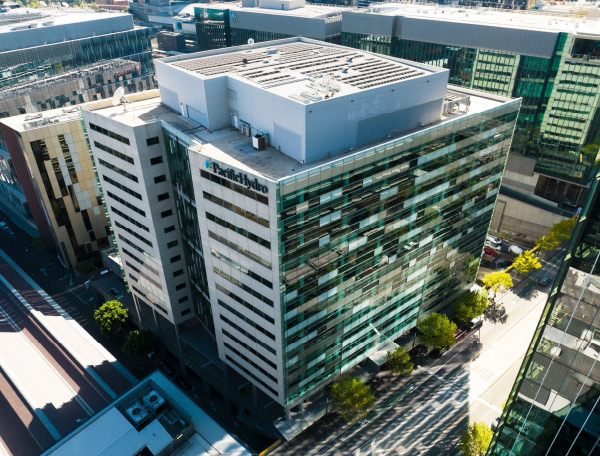
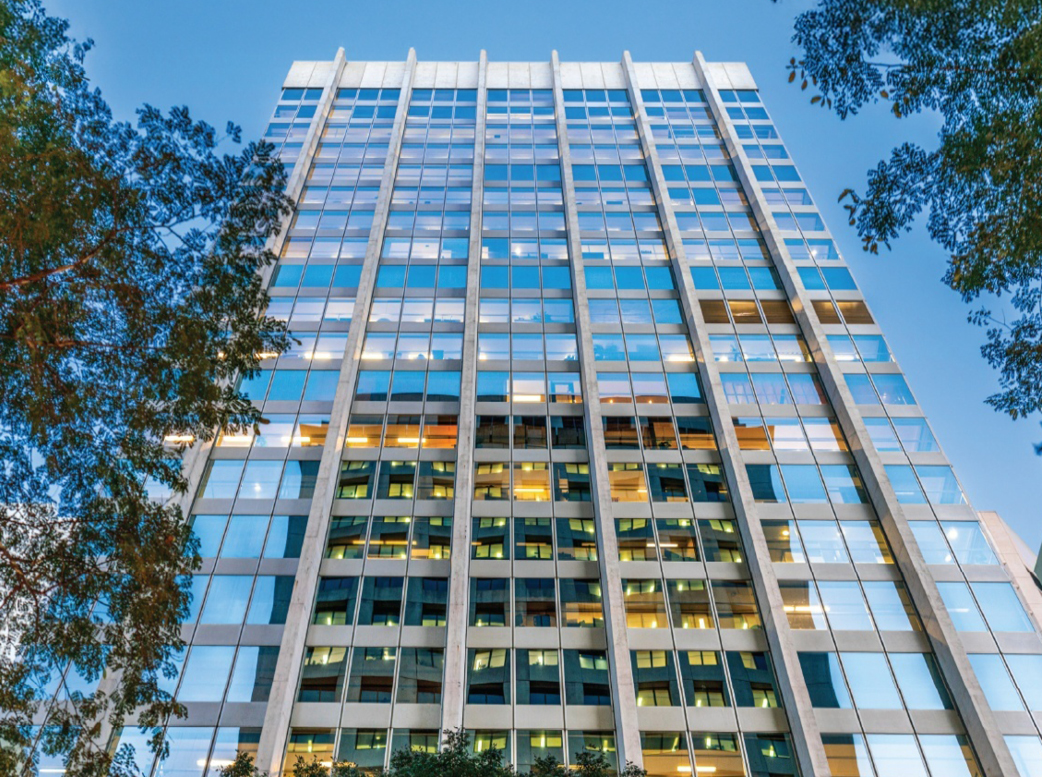
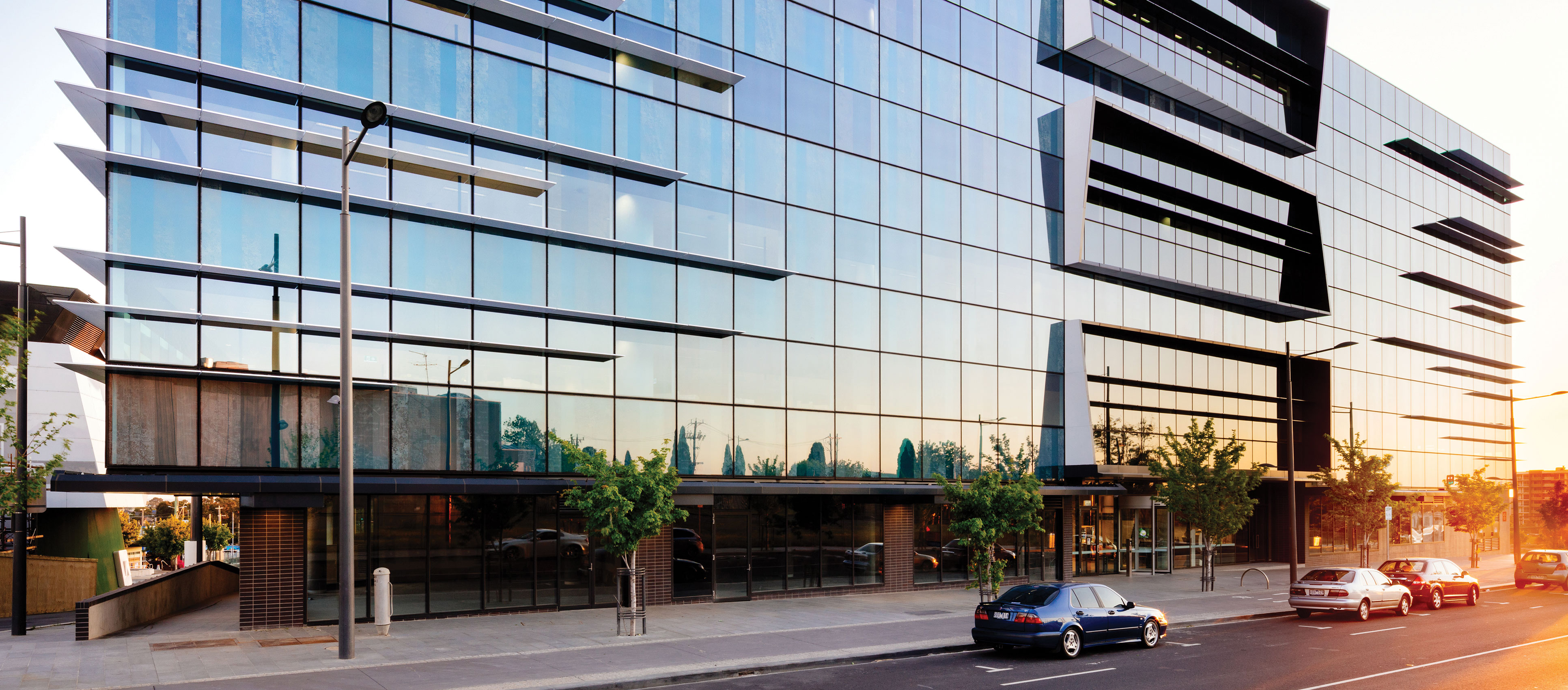
While the transition to a lower-carbon economy is not linear, expectations for commercial real estate continue to shift toward stronger energy performance, electrification and asset resilience. At 700 Collins Street in Melbourne, Cromwell is undertaking a broader program of capital investment to enhance the building’s long-term performance, relevance and appeal to high quality occupiers. As part of this strategy, the building is being transitioned from gas-powered systems to advanced electric technologies, including reverse-cycle heat pumps and heat recovery chillers. The project places 700 Collins Street among a small number of Melbourne CBD high-rise office buildings undertaking electrification retrofits at this scale, and among even fewer doing so while the building remains occupied.

Benefits of electrification

The upgrade is intended to improve operational efficiency, lower carbon intensity and strengthen the asset’s long-term resilience, efficiency and competitiveness.

It is also expected to remove approximately 2.28 million megajoules of natural gas from annual consumption, reducing reliance on fossil fuels and lowering energy intensity. Over time, this positions the building to benefit from grid decarbonisation and greater integration of renewable energy, supporting improved long-term energy performance.

The upgrade reinforces 700 Collins Street’s existing 5.5 Star NABERS Energy rating while aiming to lift the building’s Renewable Energy Indicator (REI) from 75% to a targeted ~99% (with the diesel generator retained). In a market where energy performance is increasingly influencing tenant demand and capital allocation, assets with strong performance credentials are better placed to attract and retain high-quality occupiers.

From a portfolio perspective, initiatives like this are critical in future-proofing assets against regulatory change and evolving market expectations. As ESG considerations become more embedded in investment decisions, proactively upgraded buildings are better positioned to support tenant demand, maintain long-term asset relevance, enhance investment appeal and deliver resilient long-term returns.

Ultimately, the electrification of 700 Collins Street reflects an active approach to managing and enhancing assets in response to structural market trends, supporting long-term value creation for investors.

Proposed performance outcomes

~2.28 million MJ of natural gas removed annually
5.5-Star NABERS energy rating maintained
Targeted ~99% Renewable Energy Indicator (REI) rating
Array
(
    [slides] => Array
        (
            [0] => Array
                (
                    [media_type] => image
                    [image] => Array
                        (
                            [image] => Array
                                (
                                    [ID] => 41723
                                    [id] => 41723
                                    [title] => aerial
                                    [filename] => aerial.jpg
                                    [filesize] => 495545
                                    [url] => https://www.cromwell.com.au/wp-content/uploads/sites/2/2026/05/aerial.jpg
                                    [link] => https://www.cromwell.com.au/enhancing-asset-performance-for-the-future-electrification-at-700-collins-street/aerial/
                                    [alt] => 
                                    [author] => 8
                                    [description] => 
                                     => 
                                    [name] => aerial
                                    [status] => inherit
                                    [uploaded_to] => 41692
                                    [date] => 2026-05-22 04:16:14
                                    [modified] => 2026-05-22 04:16:14
                                    [menu_order] => 0
                                    [mime_type] => image/jpeg
                                    [type] => image
                                    [subtype] => jpeg
                                    [icon] => https://www.cromwell.com.au/wp-includes/images/media/default.png
                                    [width] => 1024
                                    [height] => 432
                                    [sizes] => Array
                                        (
                                        )

                                )

                            [alternate_images] => 
                            [mobile_image] => 
                            [tablet_image] => 
                        )

                     => Array
                        (
                            [video_type] => file
                            [autoplay] => 
                            [video_file] => 
                            [video_embed] => 
                            [image_placeholder] => Array
                                (
                                    [image] => Array
                                        (
                                            [image] => 
                                            [alternate_images] => 
                                            [mobile_image] => 
                                            [tablet_image] => 
                                        )

                                )

                        )

                    [title_block] => Array
                        (
                            [title] => 
                            [emphasise_title] => 
                            [emphasised_text] => real foundations.
                            [emphasis_style] => script
                            [content] => 
                        )

                    [text_width] => constrained
                    [button_group] => Array
                        (
                            [buttons] => 
                        )

                    [button_alignment] => left
                    [button_direction] => horizontal
                )

        )

    [banner_placement] => inner
    [media_position] => full
    [full_height] => banner-short-height
    [banner_logo] => 
    [content_alignment] => left
    [block_theme] => Array
        (
            [block_theme] => Array
                (
                    [] => 
                    [background_colour] => theme-white
                    [block_padding] => section-padding-large
                    [add_anchor_id] => 
                    [anchor_id] => 
                )

        )

)

For tenants, the transition to high-efficiency electric systems enhances workplace quality through more consistent temperature control and improved indoor environmental conditions, while also supporting tenants’ own sustainability objectives – factors that are becoming increasingly important in leasing decisions.

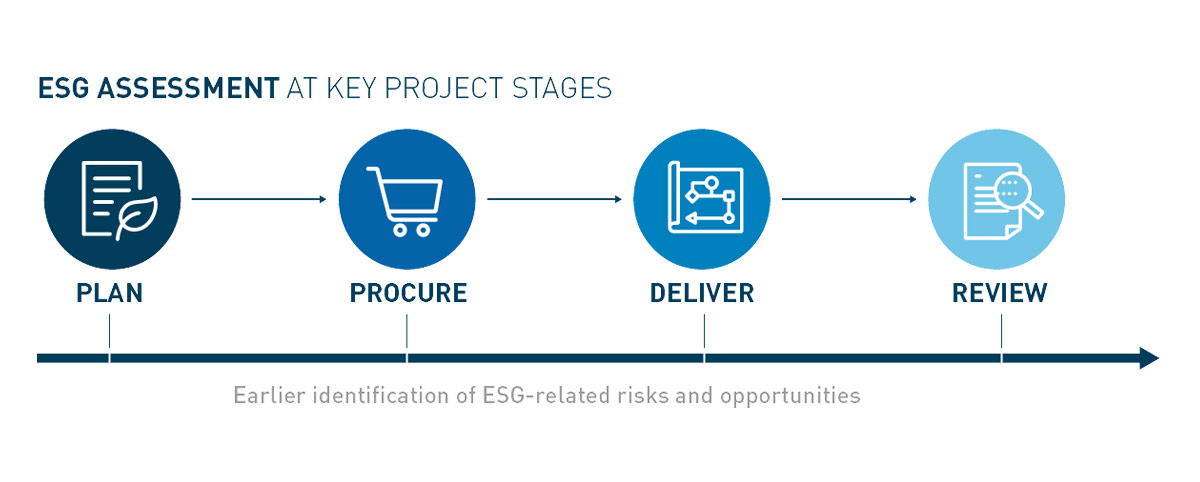
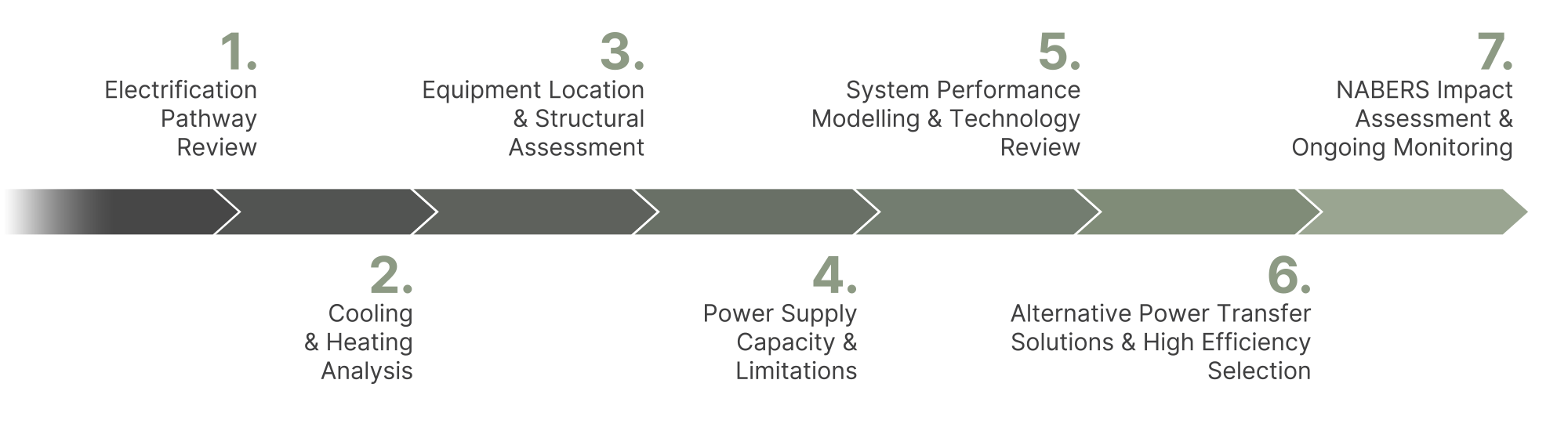
The electrification program has been delivered through a structured, seven-stage pathway, ensuring careful consideration of building systems, infrastructure capacity, and technology selection. The works have also been sequenced to support continuity of building operations during delivery.


Electrification Pathway

Timeline illustrating the Electrification Project at 700 Collins Street

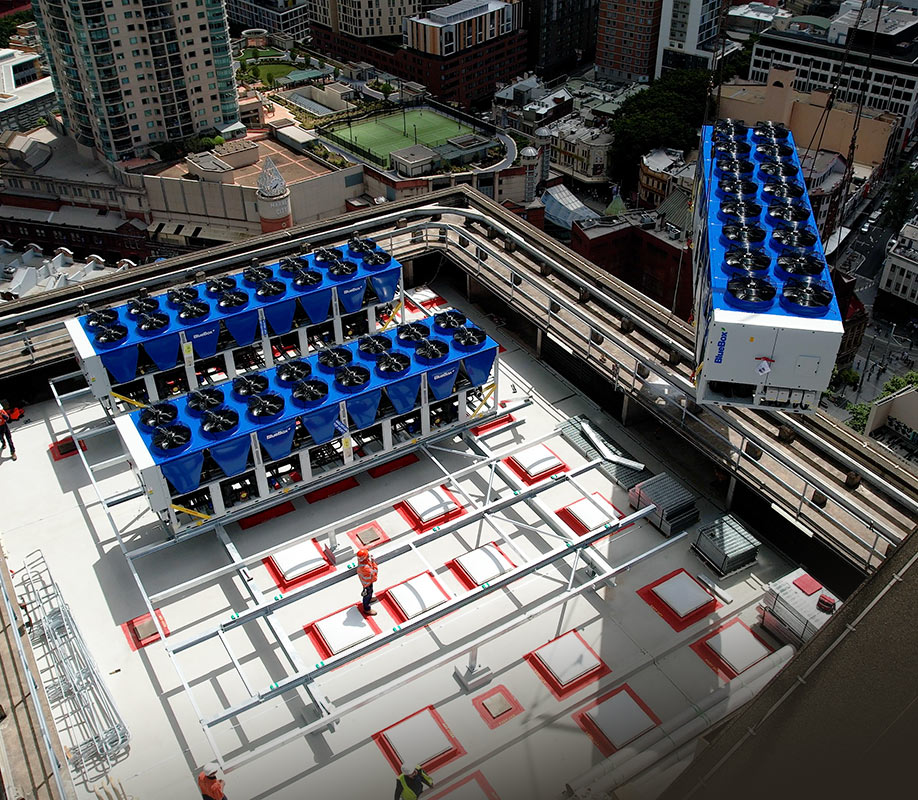
McKell Building, Sydney

This approach has already been demonstrated within the portfolio. At Rawson Place in Sydney, the Group completed a “Sydney-first” electrification upgrade of the McKell Building, converting a multi-storey CBD office asset from gas to an advanced electric heat-recovery system. As the first project of its kind at this scale, it improved energy efficiency while helping future-proof the asset.

READ MORE
Person typing on a laptop

Learn

Home Insight
May 22, 2026

From Growth to Income: How the Federal Budget is reshaping investment priorities

This article contains general information and commentary only. It does not constitute investment advice or a recommendation. This document reflects the views of its author as at May 2026. These observations are based on current policy proposals and market conditions, which may change. 

For investors assessing portfolio allocation, the key takeaway from this Federal Budget is the broader policy shift rather than any single measure. To the extent proposed tax changes reduce the relative appeal of residential strategies that depend more heavily on tax advantages and capital growth, income-producing assets may warrant closer consideration. That may improve the relative appeal of quality commercial real estate, where returns are often supported by contracted cashflows, tenant covenants and leasing fundamentals, although the extent of that benefit will depend on how different components of return are ultimately taxed.

Portfolio strategies already shifting given macro backdrop

This reset is landing at a time when investors are already recalibrating around two dominant macro themes: 

Against that backdrop, proposed Budget measures introduce additional considerations for investors, and potentially tilt preferences toward assets that are more income-oriented. 

Array
(
    [slides] => Array
        (
            [0] => Array
                (
                    [media_type] => image
                    [image] => Array
                        (
                            [image] => Array
                                (
                                    [ID] => 41791
                                    [id] => 41791
                                    [title] => budget_banner
                                    [filename] => budget_banner.jpg
                                    [filesize] => 212165
                                    [url] => https://www.cromwell.com.au/wp-content/uploads/sites/2/2026/05/budget_banner.jpg
                                    [link] => https://www.cromwell.com.au/from-growth-to-income-how-the-federal-budget-is-reshaping-investment-priorities/budget_banner/
                                    [alt] => 
                                    [author] => 8
                                    [description] => 
                                     => 
                                    [name] => budget_banner
                                    [status] => inherit
                                    [uploaded_to] => 41640
                                    [date] => 2026-05-22 05:32:07
                                    [modified] => 2026-05-22 05:32:07
                                    [menu_order] => 0
                                    [mime_type] => image/jpeg
                                    [type] => image
                                    [subtype] => jpeg
                                    [icon] => https://www.cromwell.com.au/wp-includes/images/media/default.png
                                    [width] => 1024
                                    [height] => 683
                                    [sizes] => Array
                                        (
                                        )

                                )

                            [alternate_images] => 
                            [mobile_image] => 
                            [tablet_image] => 
                        )

                     => Array
                        (
                            [video_type] => file
                            [autoplay] => 
                            [video_file] => 
                            [video_embed] => 
                            [image_placeholder] => Array
                                (
                                    [image] => Array
                                        (
                                            [image] => 
                                            [alternate_images] => 
                                            [mobile_image] => 
                                            [tablet_image] => 
                                        )

                                )

                        )

                    [title_block] => Array
                        (
                            [title] => the key takeaway from this Federal Budget is the broader policy shift rather than any single measure
                            [emphasise_title] => 
                            [emphasised_text] => real foundations.
                            [emphasis_style] => script
                            [content] => 
                        )

                    [text_width] => constrained
                    [button_group] => Array
                        (
                            [buttons] => 
                        )

                    [button_alignment] => left
                    [button_direction] => horizontal
                )

        )

    [banner_placement] => inner
    [media_position] => full
    [full_height] => banner-short-height
    [banner_logo] => 
    [content_alignment] => left
    [block_theme] => Array
        (
            [block_theme] => Array
                (
                    [] => 
                    [background_colour] => theme-white
                    [block_padding] => 
                    [add_anchor_id] => 
                    [anchor_id] => 
                )

        )

)

What changed (and why it matters for property investors) 

Two measures were particularly salient for investors: 


1) Negative gearing changes (residential focus) 

Proposed reforms to negative gearing for established residential property may reduce the relative after-tax appeal of some residential strategies, particularly those that rely more heavily on tax settings to support returns. For investors, the key implication is comparative: if established residential after-tax outcomes become less attractive, some investors may place greater weight on other asset classes. In that context, commercial property may warrant closer consideration, particularly where return profiles are supported by income and leasing fundamentals rather than reliance on tax settings to enhance outcomes. 

2) Capital gains tax (CGT)  

Proposed changes to CGT may diminish the after-tax payoff from capital gains for some investors, which may increase the relative appeal of strategies supported by current income rather than purely back-ended appreciation. 

However, the implications for commercial property investors are more nuanced. While proposed changes to negative gearing are focused on residential property and do not directly affect the deductibility of income from commercial assets, commercial investors may be exposed to the changes in CGT. In addition, many private investors hold commercial property through discretionary trusts, where forthcoming tax changes may further influence after-tax outcomes. 

For property trusts in particular, part of the income distributed can be tax deferred, which reduces the cost base over time and can shift a portion of returns into capital gains. This means overall outcomes may still depend meaningfully on CGT treatment at disposal. 

As a result, while income-oriented strategies may become relatively more attractive, any reduction in the CGT discount could still weigh on total returns for some commercial property investors, depending on structure and the balance between income and capital growth.  

The impact won’t be uniform: two investors can hold the same asset and experience different net outcomes. Investors may wish to assess exposure at the structure level (individual, company, trust, SMSF, etc.) and seek advice where appropriate. 

Why commercial property looks relatively stronger  

Commercial real estate’s return profile is typically anchored by rental income (often with CPI or fixed escalations) – supported by: 

  • Lease terms and WALE (weighted average lease expiry) 
  • Tenant covenant quality and occupancy fundamentals 
  • Asset selection and active management (leasing, retention, capex discipline) 

In other words, while capital growth matters, many commercial property strategies are not primarily dependent on it.  

In that context, wellselected commercial property may play a stronger role as a portfolio income stabiliser and diversifier, particularly where cashflows are supported by leasing fundamentals and supply constraints, noting that after-tax outcomes will still vary depending on investment structure and the treatment of capital gains over time, making it important for investors to consider how their investment structure influences aftertax outcomes. These characteristics do not remove risks associated with commercial property, including tenant concentration, leasing risk, valuation movements and changes in financing conditions. 


Bottom line

The Budget doesn’t rewrite the investment case for commercial property, but it may be considered by market participants to improve its position within portfolios relative to strategies for established residential that are more reliant on tax settings and capital growth. Combined with macro conditions that elevate the value of dependable cashflows, the policy direction reinforces a simple point for investors: 


In a world where growth is less advantaged and uncertainty remains elevated, contracted income and real‑asset diversification matter more. 


Disclaimer

This material is prepared for discussion only and should not be relied upon for any other purposes. It has been prepared on a good faith basis but its contents have not been formally verified, and no Cromwell entity or person accepts any duty of care to any person in relation to the information it contains. It should not be considered to be investment advice, marketing material or a promotion or offer of any Cromwell fund, product or services. Any person that wishes to invest in any Cromwell fund, product or service should refer to the relevant information or legal documents produced in relation to such opportunity before making any investment or other decisions.  

Person typing on a laptop

Learn

Home Insight
November 27, 2025

Unitholders approve Term Extension for Cromwell Property Trust 12

Unitholders in Cromwell Property Trust 12 (C12) have voted overwhelmingly in favour of extending the term of the Trust for a further two years, until 31 December 2027. The resolution was passed at an Extraordinary General Meeting on 31 October 2025, following Cromwell Funds Management’s (CFM) recommendation to wait for market conditions to improve before commencing a sale process. CFM noted that current market conditions are unlikely to support a favourable sale outcome and that an extension would provide flexibility in determining the timing of a future sale.

Strong support for extension

The resolution passed with a clear majority:

  • Votes FOR the motion: 36,055,173 units (88.57% of votes cast; 57.38% of eligible units)
  • Votes AGAINST the motion: 4,654,486 units (11.43% of votes cast; 7.41% of eligible units)
  • Total votes cast: 40,709,659 units (64.79% of eligible units)

Background to the Trust

Launched in 2013, C12 was established to provide monthly income from high-quality commercial property assets. Over its life, the Trust has delivered consistent returns, including notable one-off distributions following asset sales:

  • 5 cent distribution in 2015 after the sale of 10–16 Dorcas Street, South Melbourne
  • 84 cent special distribution in 2020 following the sale of the Rand Distribution Centre in South Australia

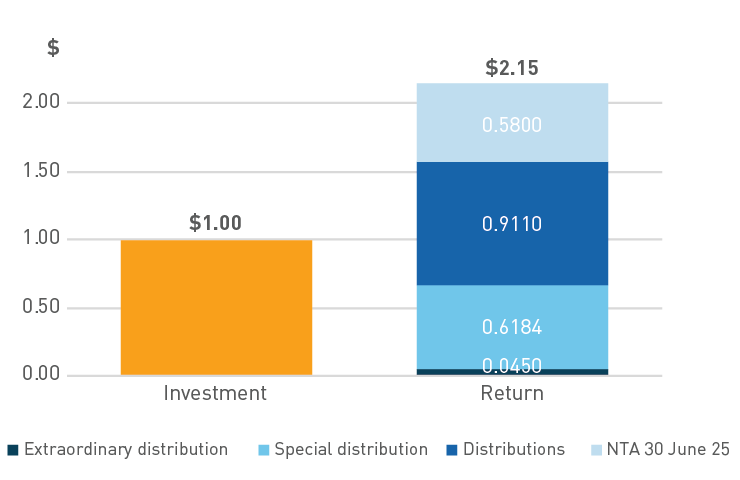
Regular distributions began at 7.75 cents per unit and increased to 9.25 cents by FY2021. At the start of the second term in July 2021, the rate was reset to 5.75 cents per unit, rising to 6.50 cents by FY2025. To 30 June 2025, C12 delivered a notional equity internal rate of return of 11.8% per annum. Every $1 invested in July 2013 has returned $1.57 in distributions and holds a current value of $0.58, equating to a total value of $2.15.


Investment return per $1 invested


C12’s distribution rate will adjust from 6.50 cents per unit per annum to 6.00 cents per unit per annum from November 2025. This change reflects the extension of an interest rate cap that remains beneficial but now carries a higher base rate. Details of this adjustment, along with the potential impact on unit price, were included in the information provided to unitholders ahead of the vote.


Why extend now? Market conditions explained

Cromwell’s Chief Investment Officer, Rob Percy, outlined the rationale for the extension at the EGM. While some indicators suggest office values nationally are stabilising, Melbourne’s market, particularly the CBD and surrounding sub-markets continues to underperform relative to other capital cities.

Key challenges

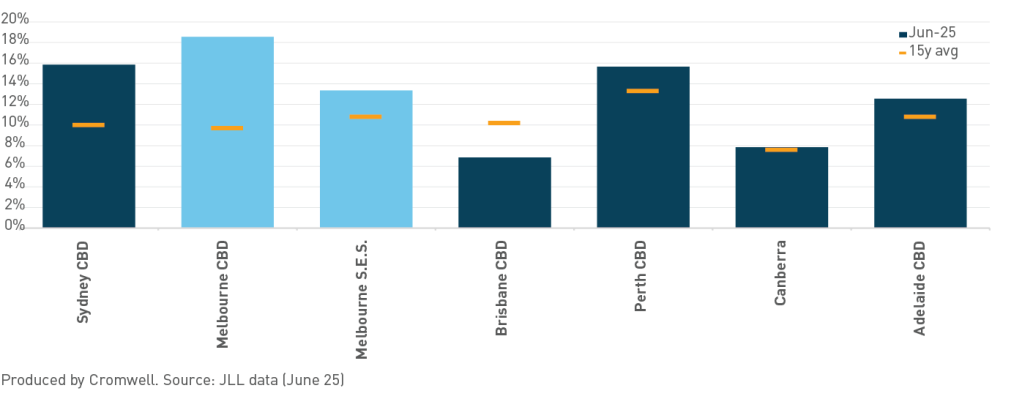
The Trust’s sole asset is in Dandenong, part of Melbourne’s South-East Suburbs sub-market, which accounts for only 2% of the city’s total office space. Market sentiment for the property is influenced by broader Melbourne conditions, particularly the CBD, which currently has the highest vacancy rate among major cities and has underperformed long-term averages.


Prime office vacancy rate


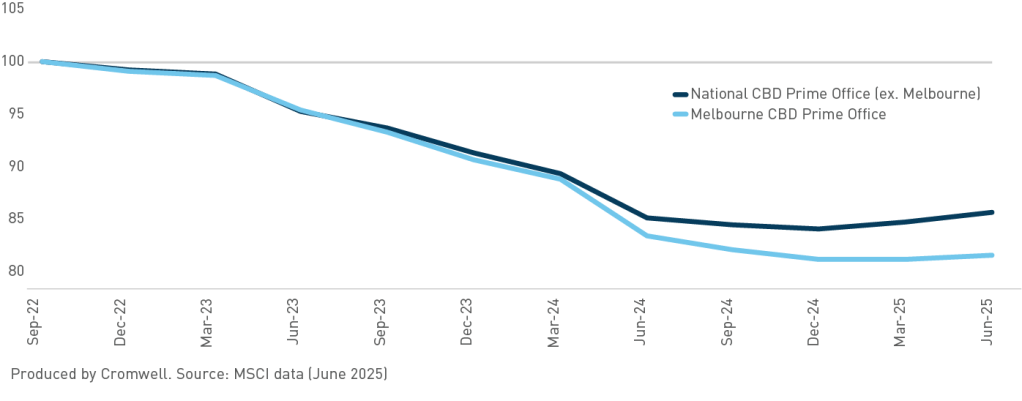
MSCI data, which tracks commercial property performance across Australia, confirms that Melbourne office asset values have underperformed compared to other cities, which recorded increases in asset values during the March and June 2025 quarters.

Office asset value index


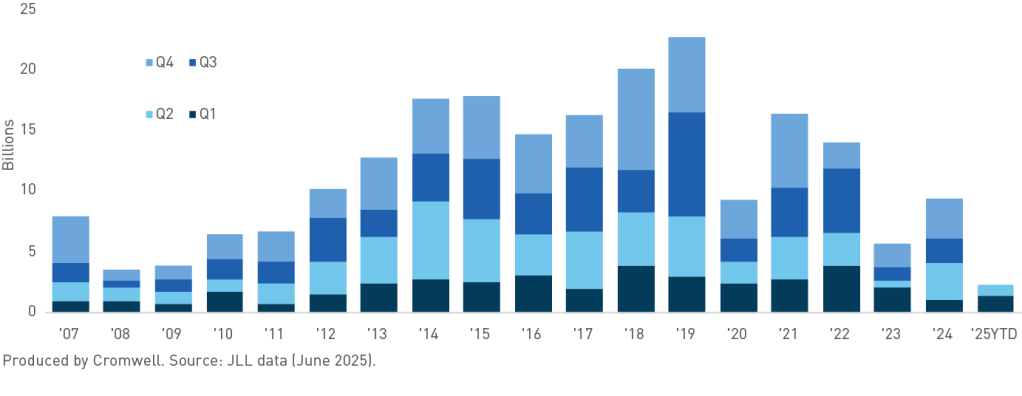
Compounding this, national office transaction volumes remain low, and Melbourne’s share of those volumes is significantly below its long-term average. This lack of activity means fewer potential buyers and limited competitive tension.


Office transaction volume


These factors mean a sale now would likely be at a discount to the latest independent valuation.

Array
(
    [slides] => Array
        (
            [0] => Array
                (
                    [media_type] => image
                    [image] => Array
                        (
                            [image] => Array
                                (
                                    [ID] => 38693
                                    [id] => 38693
                                    [title] => banner_c12_02_f98d79
                                    [filename] => banner_c12_02_f98d79.jpg
                                    [filesize] => 1271911
                                    [url] => https://www.cromwell.com.au/wp-content/uploads/sites/2/2025/11/banner_c12_02_f98d79.jpg
                                    [link] => https://www.cromwell.com.au/unitholders-approve-term-extension-for-cromwell-property-trust-12/banner_c12_02_f98d79/
                                    [alt] => 
                                    [author] => 8
                                    [description] => 
                                     => 
                                    [name] => banner_c12_02_f98d79
                                    [status] => inherit
                                    [uploaded_to] => 37993
                                    [date] => 2025-11-27 01:22:27
                                    [modified] => 2025-11-27 01:22:27
                                    [menu_order] => 0
                                    [mime_type] => image/jpeg
                                    [type] => image
                                    [subtype] => jpeg
                                    [icon] => https://www.cromwell.com.au/wp-includes/images/media/default.png
                                    [width] => 1024
                                    [height] => 451
                                    [sizes] => Array
                                        (
                                        )

                                )

                            [alternate_images] => 
                            [mobile_image] => 
                            [tablet_image] => 
                        )

                     => Array
                        (
                            [video_type] => file
                            [autoplay] => 
                            [video_file] => 
                            [video_embed] => 
                            [image_placeholder] => Array
                                (
                                    [image] => Array
                                        (
                                            [image] => 
                                            [alternate_images] => 
                                            [mobile_image] => 
                                            [tablet_image] => 
                                        )

                                )

                        )

                    [title_block] => Array
                        (
                            [title] => 
                            [emphasise_title] => 
                            [emphasised_text] => real foundations.
                            [emphasis_style] => script
                            [content] => 
                        )

                    [text_width] => constrained
                    [button_group] => Array
                        (
                            [buttons] => 
                        )

                    [button_alignment] => left
                    [button_direction] => horizontal
                )

        )

    [banner_placement] => inner
    [media_position] => full
    [full_height] => banner-short-height
    [banner_logo] => 
    [content_alignment] => left
    [block_theme] => Array
        (
            [block_theme] => Array
                (
                    [] => 
                    [background_colour] => theme-white
                    [block_padding] => section-padding-small
                    [add_anchor_id] => 
                    [anchor_id] => 
                )

        )

)

Signs of recovery on the horizon

Despite current challenges, Cromwell highlighted several positive indicators:

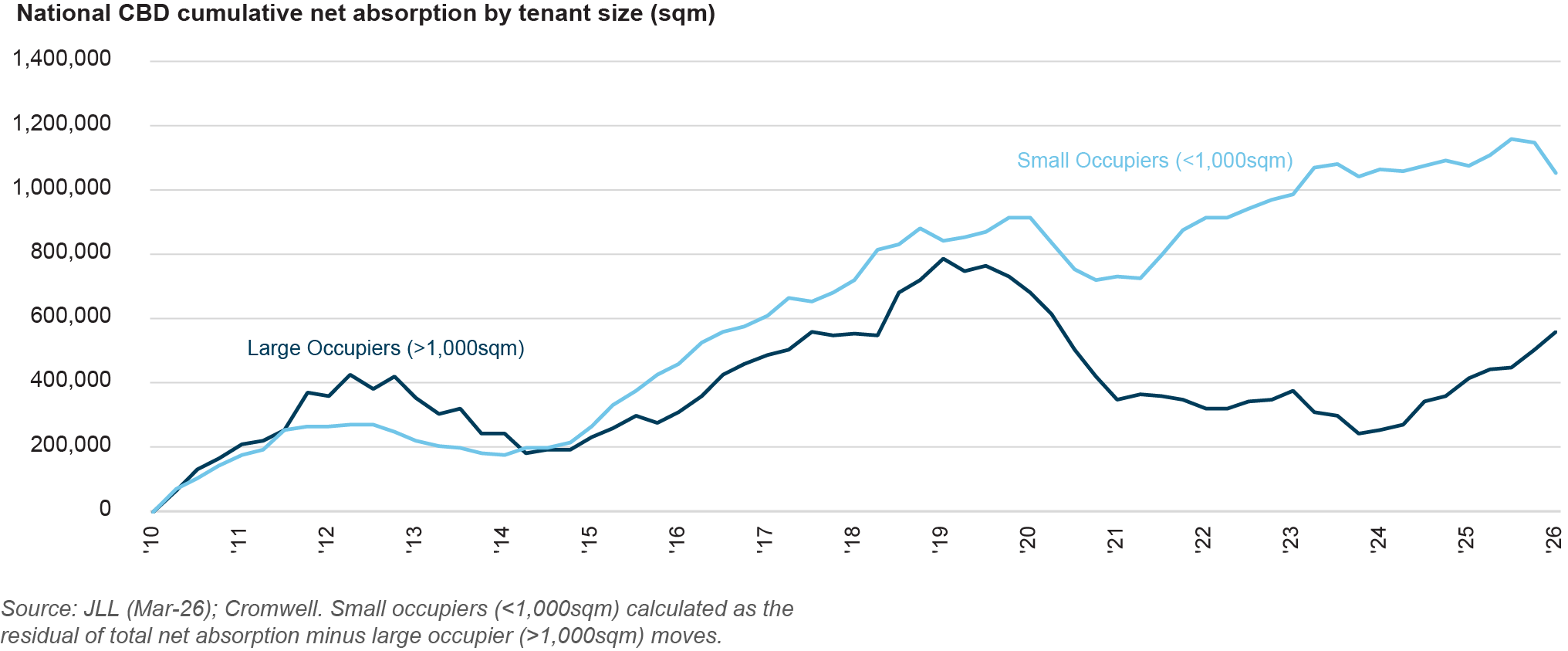
  • Net leasing demand in Melbourne’s prime office market has increased since 2019.
  • Very low levels of new commercial construction forecast over the next five years may help absorb existing vacancy and support rental growth.
  • Stabilising yields across sectors are contributing to more stable asset pricing, which could attract more market participants and increase transaction volumes.
  • The spread between Melbourne CBD prime office yields and the 10-year government bond yield is wider than historical averages, suggesting relative value and potential for recovery.

Real estate pricing is cyclical, and Cromwell believes the market is approaching a turning point. Extending the Trust’s term provides flexibility to capitalise on these improving conditions.

Conclusion

The decision to extend the term of Cromwell Property Trust 12 reflects a considered approach to current market dynamics. By allowing additional time before commencing a sale process, the Trust remains positioned to respond to changing conditions and pursue a strategy aimed at achieving the best possible outcome for unitholders. Cromwell will continue to monitor market developments and provide updates as the extended term progresses.