Head of Industrial, Transactions & Development, Cromwell Property Group
Adelaide-based Mark Brammy has spent more than two decades working across industrial and logistics property, building a career that spans construction, development, investment and funds management. With a background in civil engineering, Mark is known for his practical, asset-level approach to property and his deep understanding of what drives tenant demand in industrial markets.
Mark was CEO of Terre Property Partners before it was acquired by Cromwell in 2025. Earlier in his career, he led Integrated Logistics Partners, growing its portfolio to approximately $500 million. Today, he heads Cromwell’s Industrial, Transactions & Development team, helping drive the Group’s strategy and growth across the industrial and logistics sector.
Industrial property has been one of Australia’s strongest-performing real estate sectors over the past decade. But according to Mark, investors risk oversimplifying the opportunity if they view industrial as a single asset class.
We sat down with Mark to discuss why location still matters, what makes some industrial assets more resilient than others, and why smaller-scale infill assets continue to attract investor attention.
Mark, you originally trained as a civil engineer. How did that background lead you into the world of industrial property?
I’ve always been interested in how things are designed, built and ultimately used. Engineering gave me a strong foundation in problem solving and helped me understand how physical assets function, but over time I became increasingly interested in the commercial side of property.
Industrial real estate was a natural fit because it sits at the intersection of infrastructure, development and business operations. You’re not just looking at a building; you’re looking at how that asset helps a business operate more efficiently and grow. That’s what drew me into the sector and what has kept me interested throughout my career.
What excites you most about starting your Cromwell chapter, and what are you looking to build here?
What excites me most is the opportunity to combine Cromwell’s established platform and investor relationships with the industrial expertise we’ve built over many years.
Industrial remains one of the most dynamic sectors in the property market, and there’s a real opportunity to continue growing Cromwell’s capability in this space. We’re focused on building a high-quality industrial platform centred on assets that are strategically located, difficult to replicate and highly valued by their occupiers.
Ultimately, it’s about creating long-term value for investors while positioning Cromwell to capitalise on the opportunities we see across the industrial and logistics sector.
Mark Brammy – Head of Industrial, Transactions & Development, Cromwell Property Group
Industrial has been one of the market’s standout sectors for years. What do investors still get wrong about industrial property?
One of the biggest misconceptions is that all industrial assets benefit equally from the same market trends.
The industrial story has traditionally been framed around e-commerce growth, logistics demand and supply chain evolution, and those themes remain important. But industrial is an increasingly diverse sector. A large-format distribution centre, an urban infill warehouse, a trade-focused estate and a specialised manufacturing facility can all sit within the same asset class, yet operate under very different demand dynamics.
The reality is that investors need to look beyond the sector headline and ask what makes a particular asset attractive to tenants.
What are the burning questions you get from investors on a daily basis?
If I had to boil it down, investors want to know whether the industrial story still has legs. My answer is usually yes, but not all industrial assets are created equal. The conversation today is much less about whether industrial is attractive and much more about how to separate the good assets from the great ones – that’s where most of the debate is. The drivers of performance vary significantly depending on the asset, its location and the types of tenants it serves.
For example, some assets are heavily linked to national logistics networks, while others support local businesses that need immediate access to customers, suppliers or labour pools. Some facilities can be replicated relatively easily, while others occupy locations where industrial land is increasingly difficult to replace.
That’s why we spend a lot of time understanding the role an asset plays within a tenant’s business. The strongest assets typically have characteristics that are difficult to replicate and highly valuable to the occupier.
Why has Cromwell been particularly interested in smaller-scale infill industrial assets?
These assets often sit within established metropolitan locations, close to transport infrastructure, skilled labour pools, ports and major customer bases. Because they are generally brownfield sites, core services such as power, water and sewerage are already established, which can help reduce development risk, statutory approval timeframes and authority charges.
As cities grow, industrial land in these locations becomes increasingly scarce. Once an area has developed around a precinct, it can be difficult to create new industrial supply because of competing land uses and planning constraints. That scarcity can make well-located infill assets highly valuable to occupiers and investors alike.
For many occupiers, being closer to customers is not simply a convenience. It directly affects delivery times, operational efficiency, customer service and staffing. A well-located infill asset can therefore become a very important part of a tenant’s operating model.
From an investment perspective, we also think carefully about liquidity on exit. We typically focus on assets within a pricing range of approximately $30 million to $100 million, as these assets tend to appeal to a broader range of investors and owner-occupiers, supporting a deeper buyer pool when it comes time to sell.
In an age of technology and sophisticated logistics networks, why does location still matter so much?
Technology has actually increased the importance of location in many cases.
Customers expect faster service, shorter delivery windows and greater responsiveness than ever before. Businesses are under ongoing pressure to reduce transport costs while maintaining service standards.
Being close to customers, major transport links and labour pools can create a competitive advantage. It can also reduce operational friction for tenants.
Location has always mattered in property, but in industrial real estate, the reasons why it matters continue to evolve.
What separates an average industrial asset from a high-quality one?
It usually comes down to utility and flexibility.
The best industrial assets solve a problem for tenants. That might be superior access to transport infrastructure, specialised building features, proximity to customers or operational efficiencies that are difficult to replicate elsewhere.
We look for assets that are genuinely useful to the businesses occupying them. That often means sites with ‘good bones’, where adaptive re-use is possible, and relatively low site coverage that provides scope to expand the development footprint around tenant requirements.
The more critical an asset becomes to a tenant’s operations, the stronger the potential for long-term occupancy and tenant retention. It is also why strong tenant relationships matter. The more we understand how our tenant partners operate, the better placed we are to support their growth and increase the likelihood of repeat business.
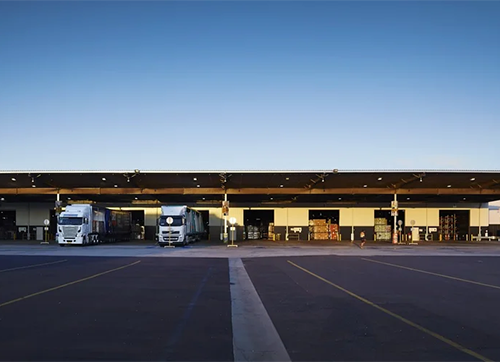
A good example is our long-standing relationship with Coca-Cola European Partners, which began in 2011 when we helped establish its state-of-the-art SA and NT distribution centre in Salisbury, South Australia. Over time, we have continued to develop and adapt the facility to support additional business units and evolving operational requirements. That ongoing investment has helped the asset remain an important part of the tenant’s distribution network and contributed to multiple lease extensions over more than a decade.
How important are specialised tenant requirements?
They’re often underestimated.
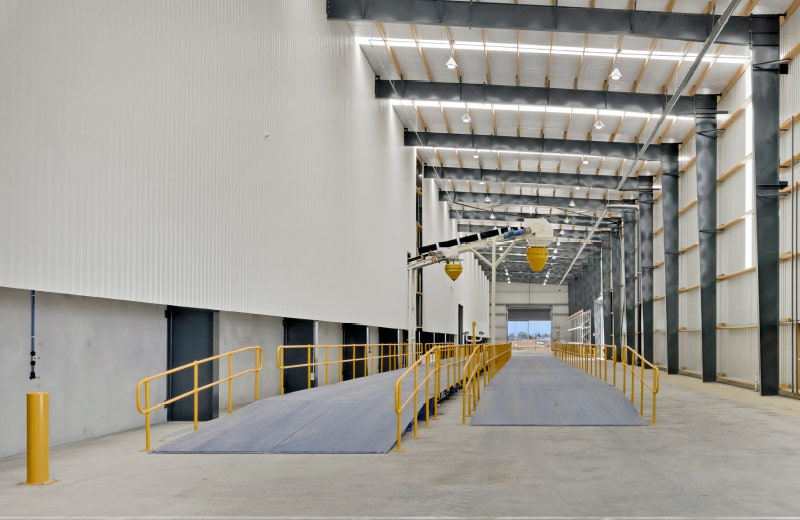
Industrial assets are becoming increasingly specialised. Certain tenants require high power capacity, substantial hardstand areas, heavy vehicle access, specialised loading configurations, refrigeration capability or significant fit-outs.
When tenants invest heavily in adapting a facility to their operations, relocating becomes much more complex and expensive. We are particularly attracted to tenants that support key Australian economic sectors, such as agriculture, defence and sovereign manufacturing capability, because these businesses often invest heavily in their facilities and commit to longer tenure.
That creates a different dynamic to sectors where businesses can move more easily between buildings. Because property costs typically represent a relatively small component of their overall operating costs, these tenants are often more focused on maintaining operational efficiency than relocating to achieve modest rental savings.
What trends do you think will shape industrial property over the next decade?
Population growth will remain a major factor, particularly in Australia’s largest cities.
At the same time, supply chains continue to evolve, customer expectations continue to rise, and businesses are becoming more sophisticated in how they utilise industrial space.
We also expect increasing differentiation between assets. Investors and occupiers will become more selective, and the gap between high-quality, strategically located industrial assets and less competitive assets may continue to widen.
What’s the key takeaway for investors today?
Industrial remains a compelling sector, but selectivity matters.
The investors who perform best over the long term are unlikely to be those simply seeking exposure to industrial as a theme. They will be those who understand the drivers of demand at the asset level.
When evaluating an industrial property, the most important question is often the simplest: Why does this asset matter to its tenant?
If the answer is driven by location, functionality, customer proximity and operational necessity, you’re often looking at the characteristics that underpin long-term value.
Mark Brammy is Cromwell Property Group’s Head of Industrial, Transactions & Development and has more than 20 years’ experience across industrial and logistics property investment, development and asset management.
Want to learn more about investing in property?
Information on commercial property investing, plus the latest industry research and insights, are available on our learn page to help you start planning your investment journey.
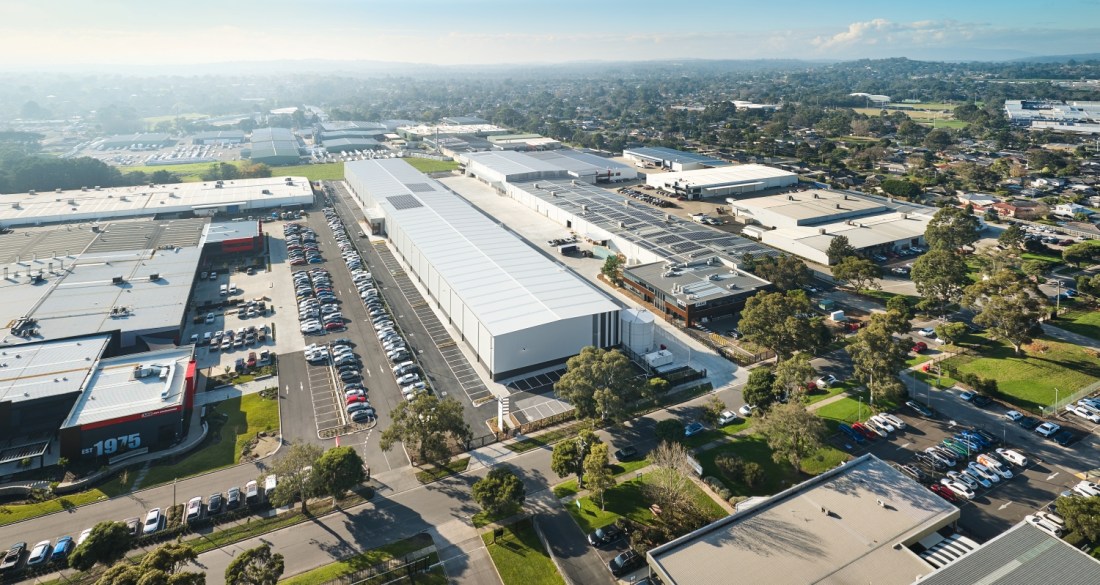
Demonstrating Cromwell's growing industrial capability, Kilsyth Connect has reached a major milestone, with practical completion now achieved at the 4…



 Adelaide-based Mark Brammy has spent more than two decades working across industrial and logistics property, building a career that spans construction, development, investment and funds management. With a background in civil engineering, Mark is known for his practical, asset-level approach to property and his deep understanding of what drives tenant demand in industrial markets.
 How important are specialised tenant requirements?