14398
Person typing on a laptop

Learn

Home Learn
June 8, 2026

Artificial Intelligence and the Future of Office

Colin Mackay, Research & Investment Strategy Manager, Cromwell Property Group


Navigating the narrative

Artificial intelligence (AI) has rapidly become a central theme in economic and market discourse. Commentary is polarised, with extreme views often dominating. On one end, AI is framed as a transformative productivity breakthrough. On the other, it is an existential threat to white-collar work and society as we know it. The impacts of AI adoption remain highly uncertain, and a healthy dose of scepticism should be reserved for those confidently claiming prescience.

Regardless, it is important to assess the potential outcomes and consider how the outlook for the office sector may shift if the technology becomes more powerful, widespread, and integrated. Answering this requires separating signal from noise, grounding analysis in historical precedent, and focusing on the mechanisms through which technological change affects occupier behaviour.

In our view, AI is more likely to reshape the composition of office demand than to compromise it. For investors, the path forward will involve selecting markets and asset types which occupiers continue to favour.

“Consider thou what the invention could do to my poor subjects. It would assuredly bring to them ruin by depriving them of employment.”

Queen Elizabeth I, 1580s, in relation to the knitting machine.

Source: Why Nations Fail, Acemoglu, Robinson (2012)


Lessons from history

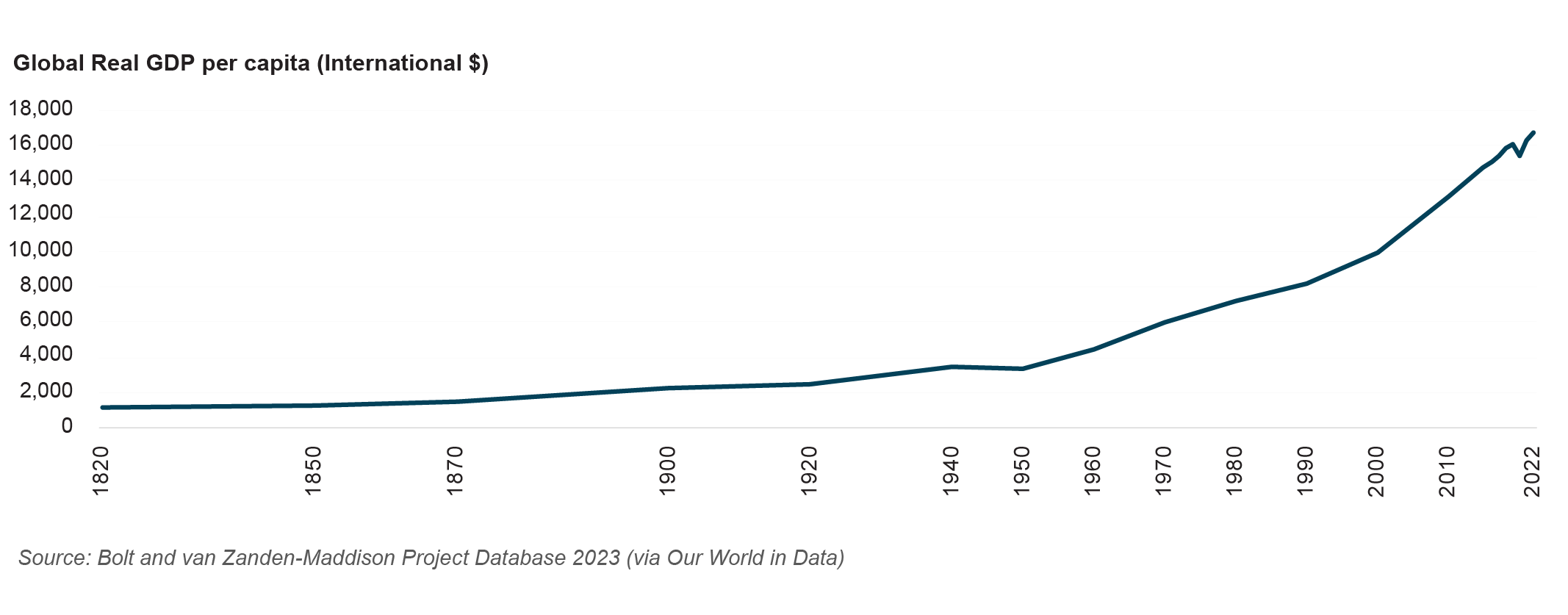
Technological advancement has been the driving force behind many of humanity’s biggest transformations, from mechanisation and electrification to computers and the internet. And through history, commentators have predicted the end of employment.


In reality, while labour displacement occurred through each technological transition, new forms of activity were also created. The pool of jobs expanded as previously inconceivable industries and occupations emerged over time, and productivity gains drove significant economic growth and higher living standards.

AI may be the modern driver of a similar dynamic. This time, the scarce resource isn’t physical output, but cognitive power: the capacity to analyse, synthesise, and solve problems. By reducing the cost of cognition-intensive tasks, AI may enable firms to undertake more analysis, pursue more opportunities, run more experiments, and serve more clients. As with earlier productivity-enhancing technologies, the effect may be expansionary rather than labour-saving.

Chart of Global Real GDP per Capita
Importantly, technology-driven transformations have often been disruptive at the micro level – affecting individual workers and firms – but constructive at the macro level. History suggests that while the composition of employment changes through technological advancement, the quantity increases. For office markets, the implication is that the primary risk is not the disappearance of work, but the reconfiguration of which industries and roles drive demand.

“The number of jobs lost to more efficient machines is only part of the problem. What worries many job experts is more that automation may prevent the economy from creating enough new jobs.”

Time Magazine, 1961

Source: Why Are There Still So Many Jobs? The History and Future of Workplace Automation

Signal or hallucination?

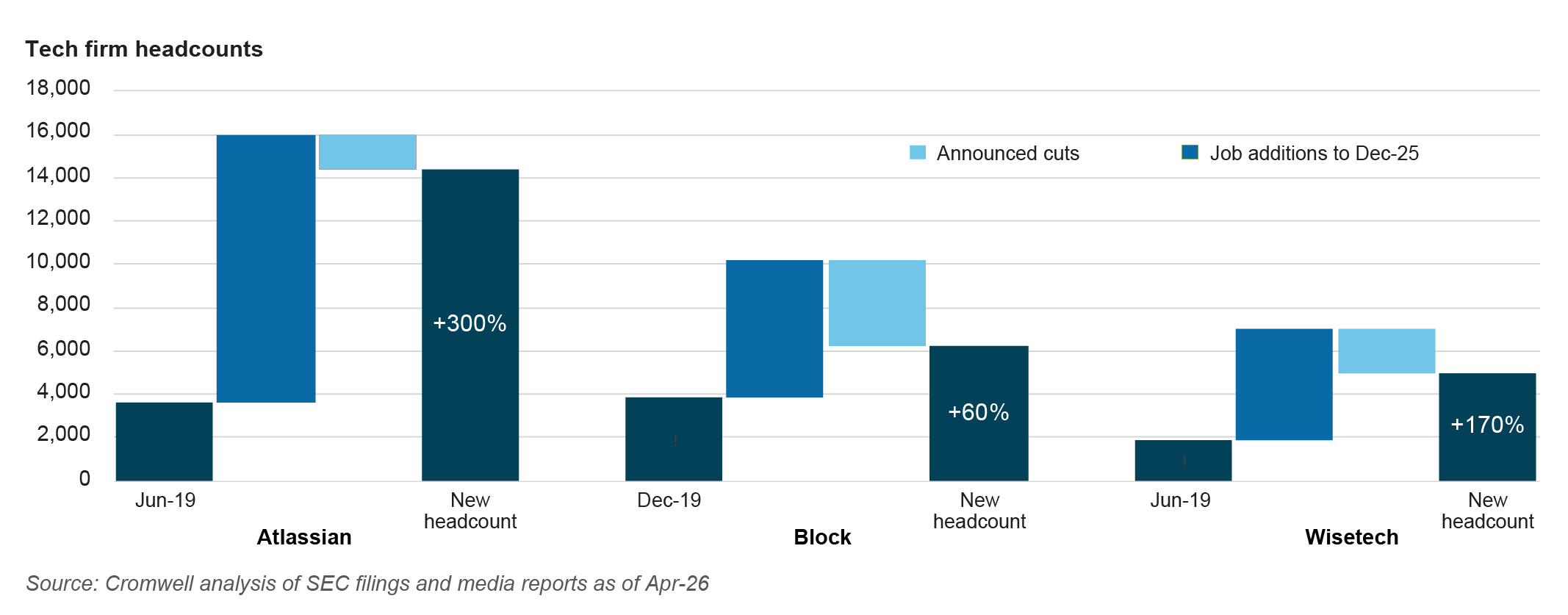
But is this time different? Recent headlines have linked AI to significant job cuts across technology firms such as Wisetech, Block, and Atlassian. However, these corporate announcements require context.

While workforce reductions appear significant, they follow a period of rapid hiring during the pandemic and post-pandemic recovery. In these high-profile cases, employment levels remain materially above pre-2020 baselines even after announced cuts, suggesting the contractions may reflect a ‘normalisation’ of headcount rather than AI impacts.


Chart of Tech Firm Headcounts for Atlassian, Block and Wisetech


Broader evidence of an AI-led employment contraction is limited. At the aggregate level, labour markets remain resilient with little indication of structural unemployment1. In the US, AI does appear to be having a negative impact on the employment outcomes of young people, particularly those entering the workforce2, in occupations most exposed to AI automation. However, occupations that are augmented by AI continue to record employment growth across demographics3. Overall, AI is currently more visible in narrative than in measurable labour market outcomes.

“Intelligent machines are replacing human beings in countless tasks, forcing millions of blue and white collar workers into unemployment lines.”

Jeremy Rifkin, 1995

Source: The End of Work

Base case: augmentation over automation

In our view, the most plausible base case is that AI functions predominantly as an augmentative technology rather than a wholesale substitute for human labour. Central to this conclusion are the incentives and constraints that shape real world economic behaviour.

Firms optimise for growth, not just cost

Businesses optimise not only for cost minimisation but for output quality, growth, resilience, and competitive position. AI can reduce the cost of specific tasks, but its economic value is often highest when combined with human judgement, oversight, and contextual understanding. In practice, this favours a complementary relationship where workers become more productive, decisions improve in quality, and the scope of activity expands.

This will not be a universal experience. Some businesses, particularly those under margin pressure, may use AI primarily to reduce headcount and extract cost rather than to expand. But that response often says as much about the condition of those businesses as it does about the technology itself. Businesses don’t shrink to greatness, and contraction by weaker operators may ultimately create room for stronger firms to invest, grow, and take share.

Automation thresholds will increase

Recent academic research highlights the importance of task quality in shaping how firms deploy automation4. AI is likely to be adopted first in tasks where it can meet existing output quality at low risk. As these lower-value or more routine tasks are automated, human effort is freed up and reallocated toward activities that are more judgement-intensive, relationship-driven or context-specific.

This reallocation improves the quality of the remaining human-led tasks: more time and focus = better output. The quality threshold AI must then reach is increased, making it harder for further automation to occur5. This self-reinforcing augmentation loop sees people focusing more and more on higher value activities, in turn increasing the value of their labour.

Full delegation introduces risks

While AI can enhance productivity across a range of tasks, the case for fully delegating long, complex, or high-stakes work remains less compelling. Microsoft research finds that as task length and complexity increase, AI output quality deteriorates and document contents can become corrupted6. Errors compound across steps, objectives can drift over time, and inconsistencies can be difficult to detect.

Similar issues are evident in software development and cybersecurity. AI-assisted coding tools can accelerate development, but fully delegated code generation has been shown to contain more security vulnerabilities than human-written code7.

These dynamics reinforce the ongoing importance of human oversight and limit the extent to which full automation can be deployed. While the technology will likely improve, it will take time and resources. Productivity gains are therefore likely to be uneven and may be slower to materialise than implied by some of the more optimistic claims.

High unemployment will not be allowed to persist

At a macro level, there are social, economic, and political limits to how long high unemployment can persist without response. South Korea (late 90s) and Spain (early 2010s) are useful modern examples: in both cases, severe labour market deterioration was accompanied by social strain, political pressure and, ultimately, policy adjustment.

Elevated unemployment and the dislocation that accompanies it tend to provoke institutional adaptation aimed at restoring labour market stability. For that reason, the more plausible outcome is slower, more adaptive adjustment rather than a sustained period of mass unemployment.


Downside case: weaker demand but no sectoral collapse

A more pessimistic scenario could arise if the pace of AI-driven disruption materially outstrips the economy’s capacity to adapt. Even in that case, however, the implications for office demand are unlikely to be linear.

A reduction in labour input doesn’t necessarily require a one-for-one fall in employment. Given society’s limited tolerance for sustained unemployment, weaker labour demand would more likely be absorbed through changes in working patterns than through mass job losses. One potential mechanism is a reduction in average working hours, such as the adoption of a four-day work week. This would adjust overall labour supply while avoiding a commensurate decline in employment.

For office markets, fewer hours worked wouldn’t necessarily translate into a proportional reduction in space demand. Offices, like stadiums, are typically configured to accommodate peak occupancy (e.g. anchor days) rather than average utilisation. And in a future where the human-centric elements of work such as collaboration, innovation, and culture-building become more important than the routine, having sufficient fit-for-purpose space will be far more important than maximising workplace density.

Supply dynamics would also act as a moderating force. Elevated construction costs, tighter financing conditions and feasibility constraints are already limiting new development, reducing the risk that weaker demand outcomes translate into structural oversupply. At the same time, ongoing population growth should continue to support aggregate economic activity and space needs over time, even if AI reduces labour intensity in some functions. Over time, the withdrawal or conversion of obsolete stock would provide further stabilisation.

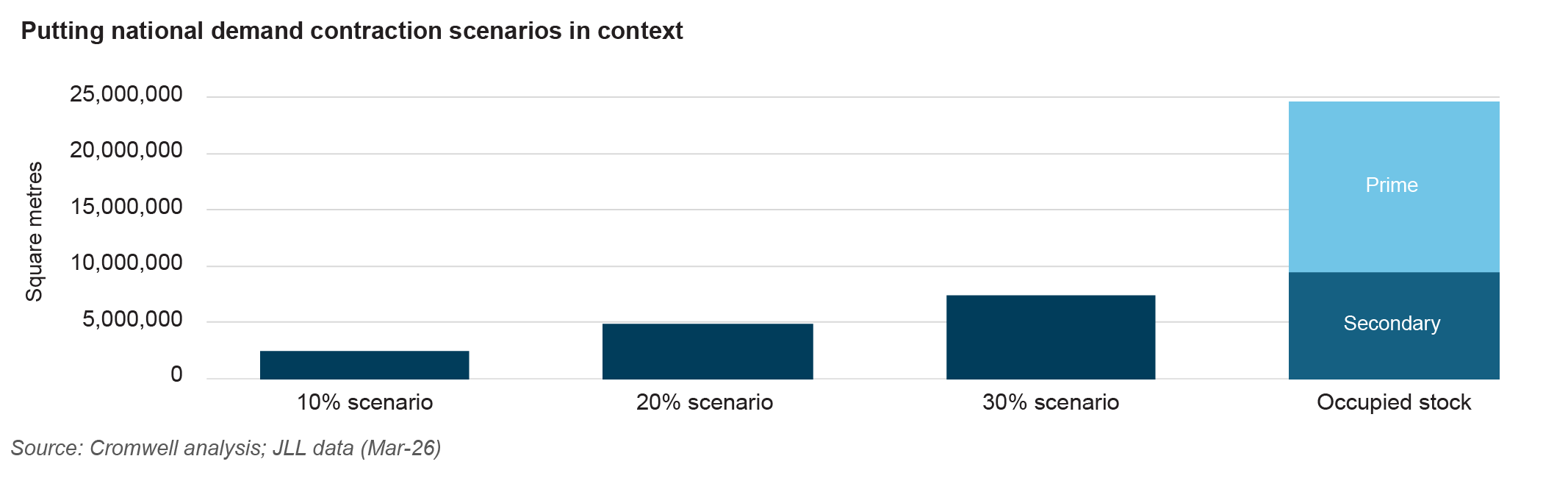
The chart below puts potential downside scenarios into context and illustrates that desirable stock (i.e. prime) should be relatively resilient even in the event of a severe reduction in demand. Flight-to-quality and the withdrawal of secondary assets from the market could, over time, wholly absorb a contraction in excess of 30%. Under such a scenario, investment outperformance would become increasingly dependent on asset selection and the alignment of building attributes and tenant experience with occupier needs.

 

“Most, if not all professional tasks…will be fully automated by an AI in the next 12-18 months.”

Mustafa Suleyman, Microsoft AI Chief Executive, 2026

Source: Interview with the Financial Times via Youtube

Implications for office markets

Employment and demand mix

Under our base case, the office-using workforce continues to grow in aggregate as productivity gains support economic expansion and population growth underpins underlying demand.

AI adoption is likely to be slower in parts of the economy where compliance, accountability and implementation constraints are more significant (e.g. government). The effects may also be slower to emerge in industries such as construction and manufacturing, where office-based roles are more closely tied to physical operations.

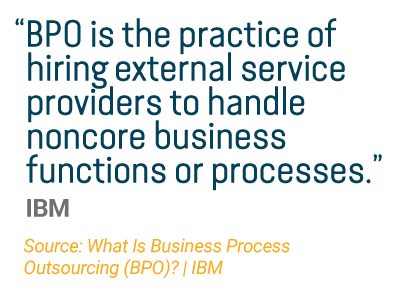
By contrast, back-office processing functions that are more standardised and repeatable face greater automation pressure. Even if these roles are materially disrupted, the impact on the broader Australian office market should be limited given the diversity of the domestic demand base. In some offshore markets, where these functions account for a larger share of demand, the effects could be more pronounced. In Metro Manila for example, the Business Process Outsourcing sector accounted for 64% of leasing demand in 20258.

Smaller occupiers, more fragmentation

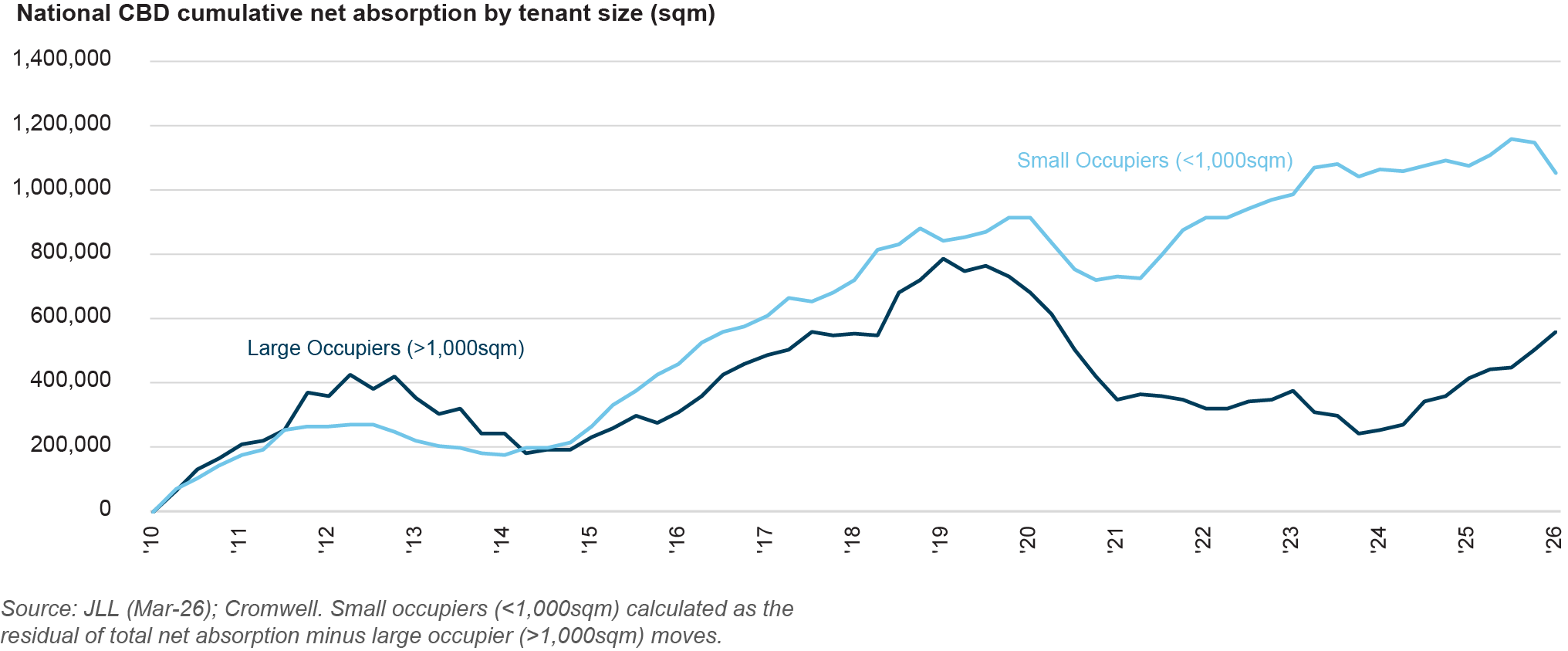
We believe AI may shift occupier demand toward smaller businesses and drive a more fragmented tenant base. Lower start-up costs and the emergence of new business models may encourage new entrants, while existing small and medium-sized enterprises are, in our opinion, more likely than large corporates to use productivity gains to support growth rather than bank the savings through cost-outs. That tendency partly reflects the more dynamic and multi-functional nature of roles within smaller organisations, which makes them less amenable to automation than the more process-oriented roles in larger firms.

Smaller occupiers are also far less able to hand back space or sublease part of their footprint, reducing the likelihood of short-term speculative contractions. This theme was evident during the pandemic and post-pandemic recovery, when smaller occupiers accounted for a greater share of net office demand and were more likely to expand than contract.

Across office markets, this would support greater demand for smaller, more adaptable floorplates that are better suited to this size of tenant, along with assets that offer attractive shared amenity such as boardroom facilities and collaboration spaces. It may also increase the value of flexible leasing structures and speculatively fitted suites, given smaller occupiers are less likely to have the internal resources to plan and deliver bespoke fitouts.


Space use and workplace design

Densification has been gradually occurring for decades, and we don’t expect AI to materially reverse or accelerate this trend. The more meaningful shift is likely to be in workplace design, as floorplates evolve away from desk-heavy layouts toward more meeting rooms, collaboration spaces, and shared amenity to support in-person interaction for complex and valuable work.

This may increase the importance of technology integration and bandwidth capacity within buildings, as occupiers place greater value on seamless connectivity and the ability to support more data-intensive ways of working. Similarly, greater reliance on AI-enabled workflows is likely to elevate data security and control considerations for some occupiers, shaping preferences toward buildings with secure, resilient technology environments.

Quality and market polarisation

These shifts are likely to make office demand less homogeneous. Firms will adopt AI at different speeds, in different ways, and with different workplace requirements. Buildings that can accommodate varied and evolving occupier needs, both through physical adaptability and management flexibility, should attract a greater premium.

Location and quality preferences are also likely to strengthen rather than weaken. High-skill, knowledge-based work will continue to benefit from agglomeration, reinforcing the role of major CBDs. As the office becomes more focused on enabling high-value work outcomes, fit-for-purpose space and proximity to key stakeholders are likely to become higher priorities relative to rent minimisation.

We expect this to result in a wider divergence between prime and secondary assets, with higher-quality buildings better positioned to capture demand and lower-quality stock facing increasing pressure from functional obsolescence.

Investment implications

Asset selection to drive outperformance

AI is likely to widen the performance gap between winners and losers, making asset selection more important. The key question for investors is not whether office demand disappears, but which buildings and precincts remain aligned with the sectors, occupiers, and workplace functions most likely to grow. Assets best positioned to outperform are likely to be those with timeless characteristics: difficult-to-replicate location, natural light, relevant amenity, adaptable floorplates, and the capacity to accommodate evolving occupier needs.

Leasing advantage to shift toward diverse occupier pools

If AI supports stronger demand from smaller businesses and creates a more fragmented tenant base, leasing advantage is likely to shift toward assets that can cater to a broader mix of occupiers. Smaller floorplates, flexible suite sizes, and buildings that appeal to a more diverse range of industries, including less traditional office users, may therefore be better placed to capture demand. By contrast, large contiguous floorplates may become less attractive if demand is spread across a wider mix of smaller occupiers and anchor tenant commitments become less reliable.

Active management to become more valuable

Operating capability will matter more in a market defined by transition and evolving occupier requirements, where fitout decisions are harder to get right and responsiveness to tenant demand becomes a greater source of differentiation. Leasing strategy, repositioning, amenity upgrades, and selective refurbishment are all likely to become more important drivers of performance. In such an environment, landlords and managers with integrated capabilities across design, project management, leasing, and delivery should be better placed to respond quickly, shape fit-for-purpose solutions, and convert demand into stronger asset outcomes.

Secondary stock will need to compete harder on price

The principal risks are concentrated in undifferentiated secondary assets and buildings that cannot adapt to changing occupier requirements. Secondary stock can still offer compelling investment returns, but is likely to face greater pressure on tenant attraction and retention. As a result, these assets may need to compete more aggressively for tenants, and acquisition pricing will need to reflect the higher degree of risk to the income outlook.

Dislocation to create opportunity

Negative sentiment around AI and office demand may create a temporary dislocation between market pricing and underlying fundamentals. If asset values come under pressure from broader market pessimism about the demand outlook, while supply remains constrained and stock withdrawal continues, attractive entry opportunities may emerge for long-term investors able to distinguish between cyclical fear and structural impairment.

Evolution, not extinction

Artificial intelligence will reshape aspects of the economy and society. Historical precedent suggests that while disruption is inevitable, labour markets adapt to technological change and new forms of demand emerge.

For office markets, the outlook is best characterised as evolutionary rather than existential. Demand is likely to become more selective, fragmented, and quality-focused. Investment performance is likely to be driven less by broad sector exposure and more by asset selection and management capability.

In our view, the assets best placed to outperform are those aligned with the needs of a more diverse and dynamic occupier base: well-located buildings with strong amenity, adaptable floorplates, fit-for-purpose space, and the flexibility to cater to smaller tenants and evolving workplace requirements.

  1. Evaluating the Impact of AI on the Labor Market: Current State of Affairs. Gimbel, Kinder, Kendall & Lee (Oct-25)
  2. Young workers’ employment drops in occupations with high AI exposure. Atkinson & Yamco (Jan-26)
  3. Canaries in the Coal Mine? Six Facts about the Recent Employment Effects of Artificial Intelligence. Brynjolfsson, Chandar & Chen (Nov-25)
  4. O-Ring Automation. Gans & Goldfarb (Jan-26)
  5. You will comply with the AI. Ellis (Westpac) (Feb-26)
  6. LLMs Corrupt Your Documents When You Delegate. Laban, Schnabel & Neville (Apr-26)
  7. Human-Written vs. AI-Generated Code: A Large-Scale Study of Defects, Vulnerabilities, and Complexity. Cotroneo, Improta & Liguori (Aug-25)
  8. Metro Manila office market shows strong 2025 performance. JLL (Feb-26)


Disclaimer

This material is prepared for discussion only and should not be relied upon for any other purposes. It has been prepared on a good faith basis but its contents have not been formally verified and no Cromwell entity or person accepts any duty of care to any person in relation to the information it contains. It should not be considered to be investment advice, marketing material or a promotion or offer of any Cromwell fund, product or services. Any person that wishes to invest in any Cromwell fund, product or services should refer to the relevant information or legal documents produced in relation to such opportunity before making any investment or other decisions. This document reflects the views of its author as at June 2026.

Person typing on a laptop

Learn

Home Learn
May 25, 2026

Enhancing Asset Performance for the Future – Electrification at 700 Collins Street

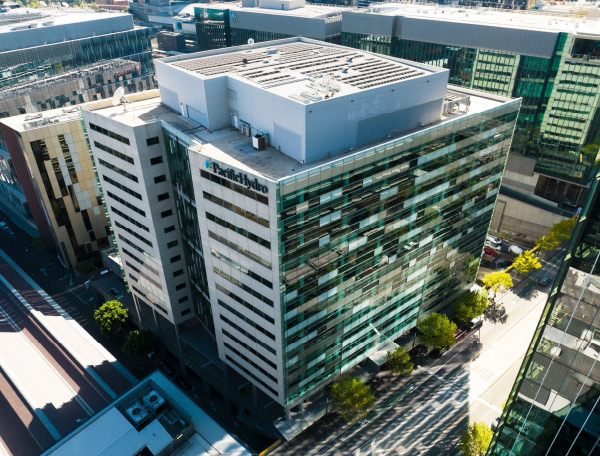
While the transition to a lower-carbon economy is not linear, expectations for commercial real estate continue to shift toward stronger energy performance, electrification and asset resilience. At 700 Collins Street in Melbourne, Cromwell is undertaking a broader program of capital investment to enhance the building’s long-term performance, relevance and appeal to high quality occupiers. As part of this strategy, the building is being transitioned from gas-powered systems to advanced electric technologies, including reverse-cycle heat pumps and heat recovery chillers. The project places 700 Collins Street among a small number of Melbourne CBD high-rise office buildings undertaking electrification retrofits at this scale, and among even fewer doing so while the building remains occupied.

Benefits of electrification

The upgrade is intended to improve operational efficiency, lower carbon intensity and strengthen the asset’s long-term resilience, efficiency and competitiveness.

It is also expected to remove approximately 2.28 million megajoules of natural gas from annual consumption, reducing reliance on fossil fuels and lowering energy intensity. Over time, this positions the building to benefit from grid decarbonisation and greater integration of renewable energy, supporting improved long-term energy performance.

The upgrade reinforces 700 Collins Street’s existing 5.5 Star NABERS Energy rating while aiming to lift the building’s Renewable Energy Indicator (REI) from 75% to a targeted ~99% (with the diesel generator retained). In a market where energy performance is increasingly influencing tenant demand and capital allocation, assets with strong performance credentials are better placed to attract and retain high-quality occupiers.

Proposed performance outcomes

~2.28 million MJ of natural gas removed annually
5.5-Star NABERS energy rating maintained
Targeted ~99% Renewable Energy Indicator (REI) rating
Array
(
    [slides] => Array
        (
            [0] => Array
                (
                    [media_type] => image
                    [image] => Array
                        (
                            [image] => Array
                                (
                                    [ID] => 41723
                                    [id] => 41723
                                    [title] => aerial
                                    [filename] => aerial.jpg
                                    [filesize] => 495545
                                    [url] => https://www.cromwell.com.au/wp-content/uploads/sites/2/2026/05/aerial.jpg
                                    [link] => https://www.cromwell.com.au/enhancing-asset-performance-for-the-future-electrification-at-700-collins-street/aerial/
                                    [alt] => 
                                    [author] => 8
                                    [description] => 
                                     => 
                                    [name] => aerial
                                    [status] => inherit
                                    [uploaded_to] => 41692
                                    [date] => 2026-05-22 04:16:14
                                    [modified] => 2026-05-22 04:16:14
                                    [menu_order] => 0
                                    [mime_type] => image/jpeg
                                    [type] => image
                                    [subtype] => jpeg
                                    [icon] => https://www.cromwell.com.au/wp-includes/images/media/default.png
                                    [width] => 1024
                                    [height] => 432
                                    [sizes] => Array
                                        (
                                        )

                                )

                            [alternate_images] => 
                            [mobile_image] => 
                            [tablet_image] => 
                        )

                     => Array
                        (
                            [video_type] => file
                            [autoplay] => 
                            [video_file] => 
                            [video_embed] => 
                            [image_placeholder] => Array
                                (
                                    [image] => Array
                                        (
                                            [image] => 
                                            [alternate_images] => 
                                            [mobile_image] => 
                                            [tablet_image] => 
                                        )

                                )

                        )

                    [title_block] => Array
                        (
                            [title] => 
                            [emphasise_title] => 
                            [emphasised_text] => real foundations.
                            [emphasis_style] => script
                            [content] => 
                        )

                    [text_width] => constrained
                    [button_group] => Array
                        (
                            [buttons] => 
                        )

                    [button_alignment] => left
                    [button_direction] => horizontal
                )

        )

    [banner_placement] => inner
    [media_position] => full
    [full_height] => banner-short-height
    [banner_logo] => 
    [content_alignment] => left
    [block_theme] => Array
        (
            [block_theme] => Array
                (
                    [] => 
                    [background_colour] => theme-white
                    [block_padding] => section-padding-large
                    [add_anchor_id] => 
                    [anchor_id] => 
                )

        )

)

For tenants, the transition to high-efficiency electric systems enhances workplace quality through more consistent temperature control and improved indoor environmental conditions, while also supporting tenants’ own sustainability objectives – factors that are becoming increasingly important in leasing decisions.

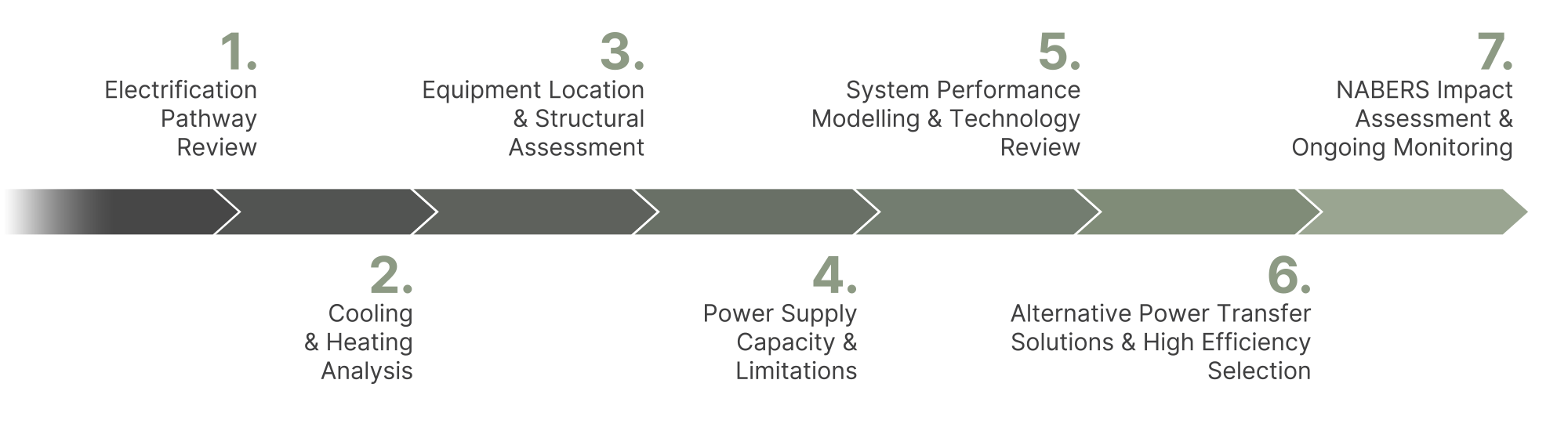
The electrification program has been delivered through a structured, seven-stage pathway, ensuring careful consideration of building systems, infrastructure capacity, and technology selection. The works have also been sequenced to support continuity of building operations during delivery.


Electrification Pathway

Timeline illustrating the Electrification Project at 700 Collins Street

McKell Building, Sydney

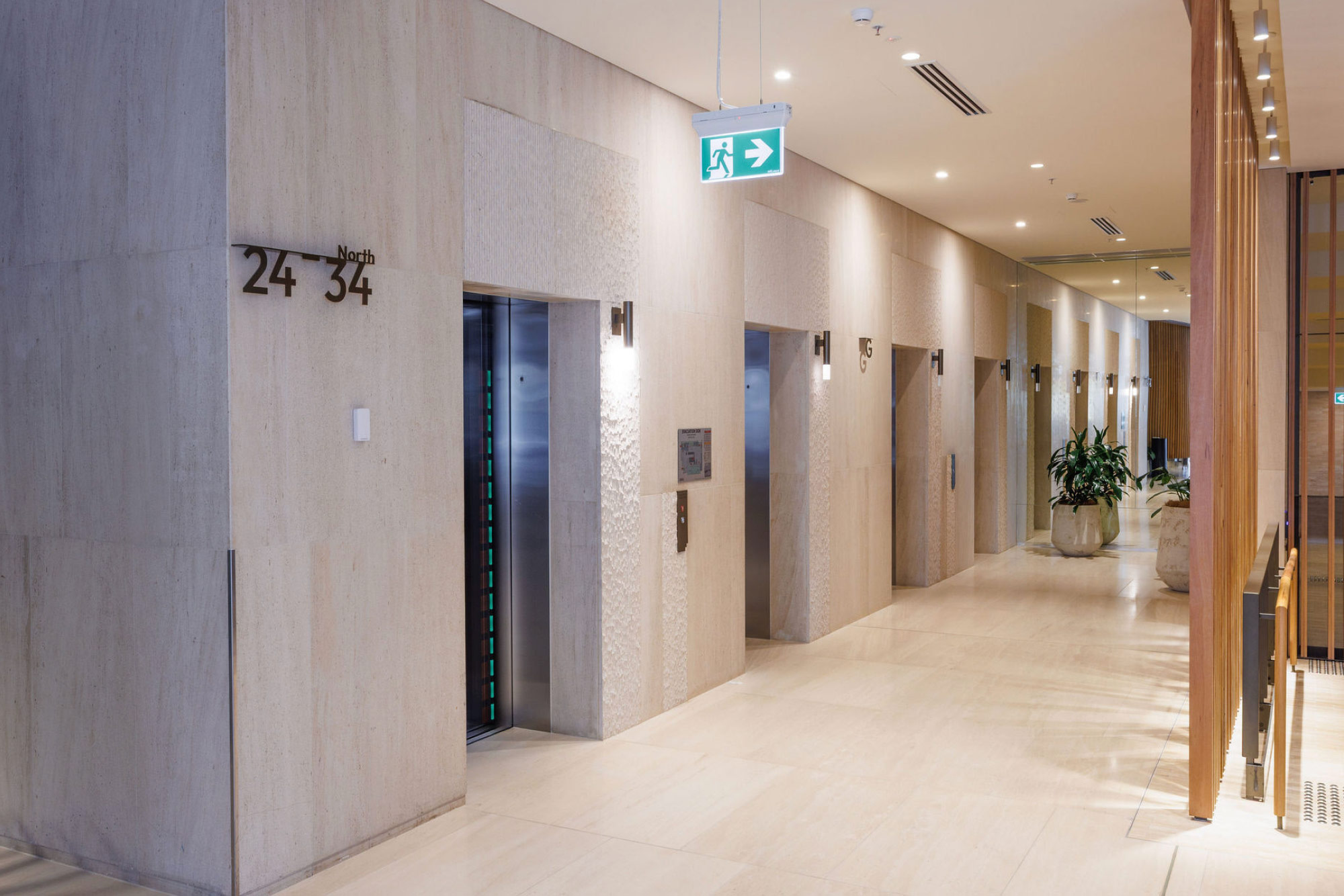
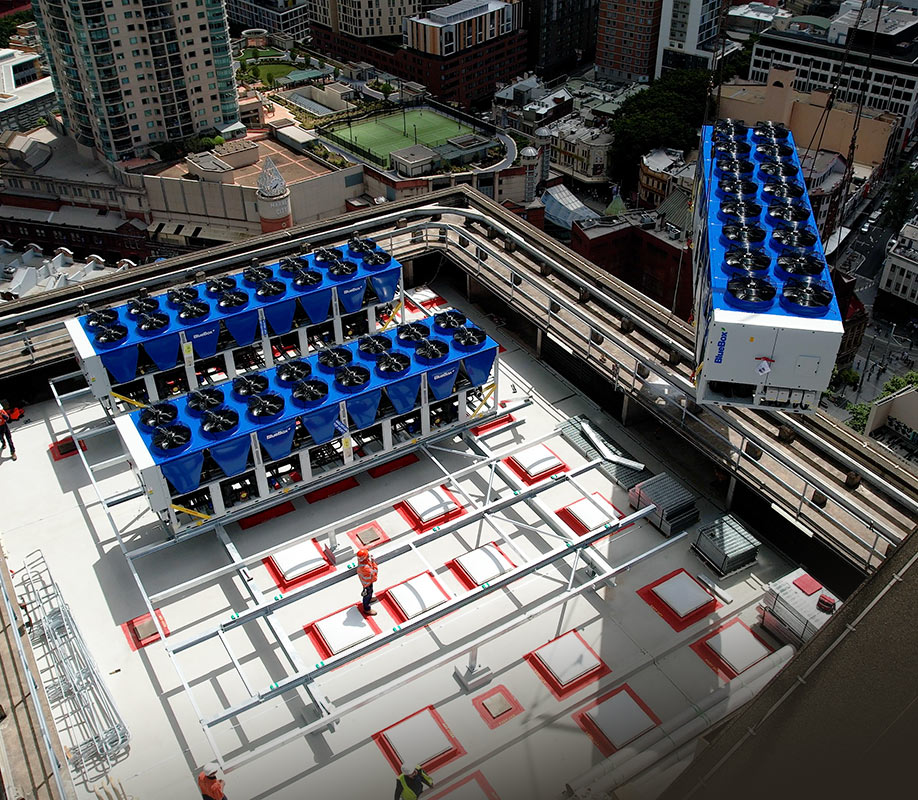
This approach has already been demonstrated within the portfolio. At Rawson Place in Sydney, the Group completed a “Sydney-first” electrification upgrade of the McKell Building, converting a multi-storey CBD office asset from gas to an advanced electric heat-recovery system. As the first project of its kind at this scale, it improved energy efficiency while helping future-proof the asset.

READ MORE

From a portfolio perspective, initiatives like this are critical in future-proofing assets against regulatory change and evolving market expectations. As ESG considerations become more embedded in investment decisions, proactively upgraded buildings are better positioned to support tenant demand, maintain long-term asset relevance, enhance investment appeal and deliver resilient long-term returns.

Ultimately, the electrification of 700 Collins Street reflects an active approach to managing and enhancing assets in response to structural market trends, supporting long-term value creation for investors.

Person typing on a laptop

Learn

Home Learn
May 22, 2026

From Growth to Income: How the Federal Budget is reshaping investment priorities

This article contains general information and commentary only. It does not constitute investment advice or a recommendation. This document reflects the views of its author as at May 2026. These observations are based on current policy proposals and market conditions, which may change. 

For investors assessing portfolio allocation, the key takeaway from this Federal Budget is the broader policy shift rather than any single measure. To the extent proposed tax changes reduce the relative appeal of residential strategies that depend more heavily on tax advantages and capital growth, income-producing assets may warrant closer consideration. That may improve the relative appeal of quality commercial real estate, where returns are often supported by contracted cashflows, tenant covenants and leasing fundamentals, although the extent of that benefit will depend on how different components of return are ultimately taxed.

Portfolio strategies already shifting given macro backdrop

This reset is landing at a time when investors are already recalibrating around two dominant macro themes: 

Against that backdrop, proposed Budget measures introduce additional considerations for investors, and potentially tilt preferences toward assets that are more income-oriented. 

Array
(
    [slides] => Array
        (
            [0] => Array
                (
                    [media_type] => image
                    [image] => Array
                        (
                            [image] => Array
                                (
                                    [ID] => 41791
                                    [id] => 41791
                                    [title] => budget_banner
                                    [filename] => budget_banner.jpg
                                    [filesize] => 212165
                                    [url] => https://www.cromwell.com.au/wp-content/uploads/sites/2/2026/05/budget_banner.jpg
                                    [link] => https://www.cromwell.com.au/from-growth-to-income-how-the-federal-budget-is-reshaping-investment-priorities/budget_banner/
                                    [alt] => 
                                    [author] => 8
                                    [description] => 
                                     => 
                                    [name] => budget_banner
                                    [status] => inherit
                                    [uploaded_to] => 41640
                                    [date] => 2026-05-22 05:32:07
                                    [modified] => 2026-05-22 05:32:07
                                    [menu_order] => 0
                                    [mime_type] => image/jpeg
                                    [type] => image
                                    [subtype] => jpeg
                                    [icon] => https://www.cromwell.com.au/wp-includes/images/media/default.png
                                    [width] => 1024
                                    [height] => 683
                                    [sizes] => Array
                                        (
                                        )

                                )

                            [alternate_images] => 
                            [mobile_image] => 
                            [tablet_image] => 
                        )

                     => Array
                        (
                            [video_type] => file
                            [autoplay] => 
                            [video_file] => 
                            [video_embed] => 
                            [image_placeholder] => Array
                                (
                                    [image] => Array
                                        (
                                            [image] => 
                                            [alternate_images] => 
                                            [mobile_image] => 
                                            [tablet_image] => 
                                        )

                                )

                        )

                    [title_block] => Array
                        (
                            [title] => the key takeaway from this Federal Budget is the broader policy shift rather than any single measure
                            [emphasise_title] => 
                            [emphasised_text] => real foundations.
                            [emphasis_style] => script
                            [content] => 
                        )

                    [text_width] => constrained
                    [button_group] => Array
                        (
                            [buttons] => 
                        )

                    [button_alignment] => left
                    [button_direction] => horizontal
                )

        )

    [banner_placement] => inner
    [media_position] => full
    [full_height] => banner-short-height
    [banner_logo] => 
    [content_alignment] => left
    [block_theme] => Array
        (
            [block_theme] => Array
                (
                    [] => 
                    [background_colour] => theme-white
                    [block_padding] => 
                    [add_anchor_id] => 
                    [anchor_id] => 
                )

        )

)

What changed (and why it matters for property investors) 

Two measures were particularly salient for investors: 


1) Negative gearing changes (residential focus) 


Proposed reforms to negative gearing for established residential property may reduce the relative after-tax appeal of some residential strategies, particularly those that rely more heavily on tax settings to support returns. For investors, the key implication is comparative: if established residential after-tax outcomes become less attractive, some investors may place greater weight on other asset classes. In that context, commercial property may warrant closer consideration, particularly where return profiles are supported by income and leasing fundamentals rather than reliance on tax settings to enhance outcomes. 

2) Capital gains tax (CGT)  

Proposed changes to CGT may diminish the after-tax payoff from capital gains for some investors, which may increase the relative appeal of strategies supported by current income rather than purely back-ended appreciation. 

However, the implications for commercial property investors are more nuanced. While proposed changes to negative gearing are focused on residential property and do not directly affect the deductibility of income from commercial assets, commercial investors may be exposed to the changes in CGT. In addition, many private investors hold commercial property through discretionary trusts, where forthcoming tax changes may further influence after-tax outcomes. 

For property trusts in particular, part of the income distributed can be tax deferred, which reduces the cost base over time and can shift a portion of returns into capital gains. This means overall outcomes may still depend meaningfully on CGT treatment at disposal. 

As a result, while income-oriented strategies may become relatively more attractive, any reduction in the CGT discount could still weigh on total returns for some commercial property investors, depending on structure and the balance between income and capital growth.  

The impact won’t be uniform: two investors can hold the same asset and experience different net outcomes. Investors may wish to assess exposure at the structure level (individual, company, trust, SMSF, etc.) and seek advice where appropriate. 

Why commercial property looks relatively stronger  

Commercial real estate’s return profile is typically anchored by rental income (often with CPI or fixed escalations) – supported by: 

  • Lease terms and WALE (weighted average lease expiry) 
  • Tenant covenant quality and occupancy fundamentals 
  • Asset selection and active management (leasing, retention, capex discipline) 

In other words, while capital growth matters, many commercial property strategies are not primarily dependent on it.  

In that context, wellselected commercial property may play a stronger role as a portfolio income stabiliser and diversifier, particularly where cashflows are supported by leasing fundamentals and supply constraints, noting that after-tax outcomes will still vary depending on investment structure and the treatment of capital gains over time, making it important for investors to consider how their investment structure influences aftertax outcomes. These characteristics do not remove risks associated with commercial property, including tenant concentration, leasing risk, valuation movements and changes in financing conditions. 


Bottom line

The Budget doesn’t rewrite the investment case for commercial property, but it may be considered by market participants to improve its position within portfolios relative to strategies for established residential that are more reliant on tax settings and capital growth. Combined with macro conditions that elevate the value of dependable cashflows, the policy direction reinforces a simple point for investors: 


In a world where growth is less advantaged and uncertainty remains elevated, contracted income and real‑asset diversification matter more. 


Disclaimer

This material is prepared for discussion only and should not be relied upon for any other purposes. It has been prepared on a good faith basis but its contents have not been formally verified, and no Cromwell entity or person accepts any duty of care to any person in relation to the information it contains. It should not be considered to be investment advice, marketing material or a promotion or offer of any Cromwell fund, product or services. Any person that wishes to invest in any Cromwell fund, product or service should refer to the relevant information or legal documents produced in relation to such opportunity before making any investment or other decisions.  

Person typing on a laptop

Learn

Home Learn
November 11, 2024

Taking advantage of the property cycle

Colin Mackay, Research and Investment Strategy Manager, Cromwell Property Group


Understanding the property cycle can be useful for investors as it enables them to make informed investment decisions and stay focused on their long-term goals.

Commercial property market cycle phases

In our view, the commercial property market cycle includes four phases:


Peak: This phase features strong economic growth, rising property prices, and high investor confidence. Demand accelerates and vacancy rates drop well below normal levels. However, it can also lead to overvalued assets as sentiment moves ahead of underlying property performance and prices reach their zenith. Interest rates may also start to rise in this phase as the RBA seeks to take some ‘heat’ out of the economy.

Slowdown: In this phase, market dynamics shift, leading to weaker demand and softening prices. Construction, which typically picks up in the expansion phase, starts to create an oversupply and vacancy rates increase. Interest rates continue to rise, impacting jobs growth and slowing the economy. Sentiment worsens, perpetuating falling prices.

Trough: Characterised by low investor confidence and sometimes widespread despondency, this phase sees prices hitting their lowest point. However, it can also present opportunities for investors to buy undervalued assets at attractive prices. Towards the end of this phase, rate cuts often stimulate activity and lay the foundation for asset appreciation.

Expansion: During this phase, economic and financial conditions improve, boosting investor confidence and supporting asset prices. This is typically the longest phase, underpinned by moderate growth rather than the sentiment-driven extremes of the market peak and trough.

Property market cycles repeat over time, but each one is unique. This is because the intensity and duration of a cycle depends on a multitude of factors such as macroeconomic conditions, geopolitical events, investor sentiment, and unexpected occurrences like natural disasters or global pandemics. Sectors within a market and even different locations can be at different phases of the cycle at the same point in time.

Now that we have the basics covered, let’s take a look at the current property market.

The macro landscape

As mentioned above, macroeconomic conditions play a big role in property cycles. Recently, we’ve seen a significant increase in interest rates – 425 basis points in 18 months, which has significantly impacted commercial property prices. However, many believe that interest rates have peaked for this cycle. Other countries such as the US, Canada, New Zealand, and several across Europe, have already started lowering rates.

Australia’s inflation cycle took hold around six months later than peer markets and rate cuts are also expected to commence a bit later (around early next year). Cromwell expects lower interest rates will boost market confidence, stimulate transaction activity and support property prices.


Property pricing

We’re starting to see signs that property prices may be stabilising. The pace of capitalisation (cap) rate expansion (a driver of declining property values) is slowing for retail and industrial properties, an indication that the cycle may be turning for these sectors. It is important to note that because the valuation cycle lags, waiting until market valuation cap rates have started to compress means the best buying (i.e. the bottom of the cycle) has actually already passed you by.

For office properties, cap rate expansion is yet to slow but should follow the example of retail and industrial, in part supported by the emerging cap rate differential to the other sectors, which will boost the relative attractiveness of office investment. Increased transaction activity is another sign that the market cycle might be turning.


Office fundamentals

While the macroeconomic and capital cycles appear to be becoming more favourable, they would be of little consequence if office market fundamentals were too far out of sync. Despite some challenges, like high vacancy rates in Sydney and Melbourne, there are still reasons for investors to be optimistic about the office market.

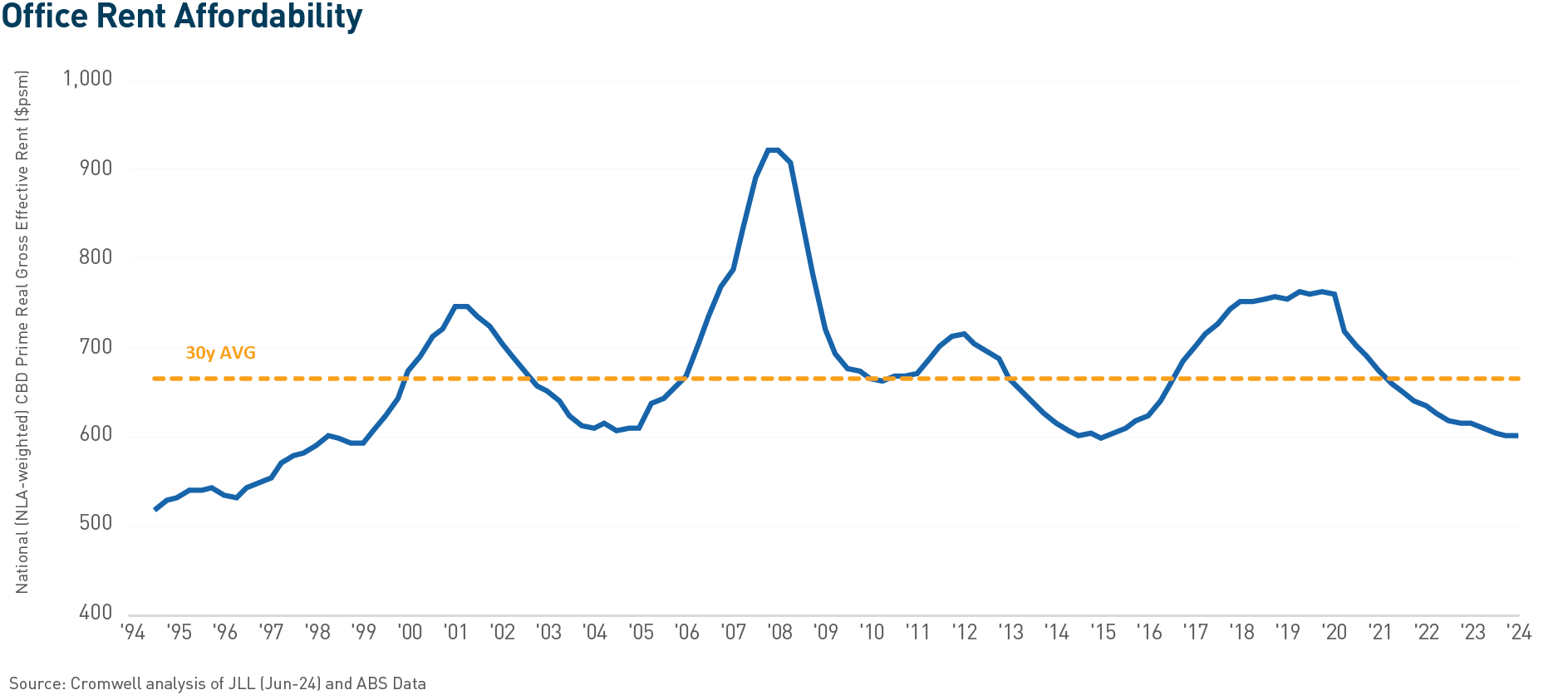
Firstly, rents are at cyclical lows, similar to the levels seen after the early 90s office market blowup. With rents at low levels, occupiers aren’t under financial pressure to reduce their space or avoid expanding if they’re growing. This also means that cutting office space or rent isn’t the first option for saving costs. Companies understand that losing staff or having lower productivity due to a poor work environment is a bigger risk to their profits.

The other cyclical element of office fundamentals is the development pipeline (i.e. supply risk). This is relatively small, with the amount of national CBD stock expected to grow by only 0.9% per year from 2024 to 20281, compared to the 20-year average of 1.6% per year2. It’s not practical to build new offices unless they are already under construction or part of an infrastructure project, due to low rents and high construction costs affecting profitability.

It’s unlikely this dynamic will be resolved any time soon, with construction cost inflation expected to remain elevated3 and state infrastructure pipelines set to continue outcompeting for scarce resources and labour for at least several years. The lack of new development is good for the performance of existing buildings, helping to balance supply and demand and support rental growth.


The long-term trend

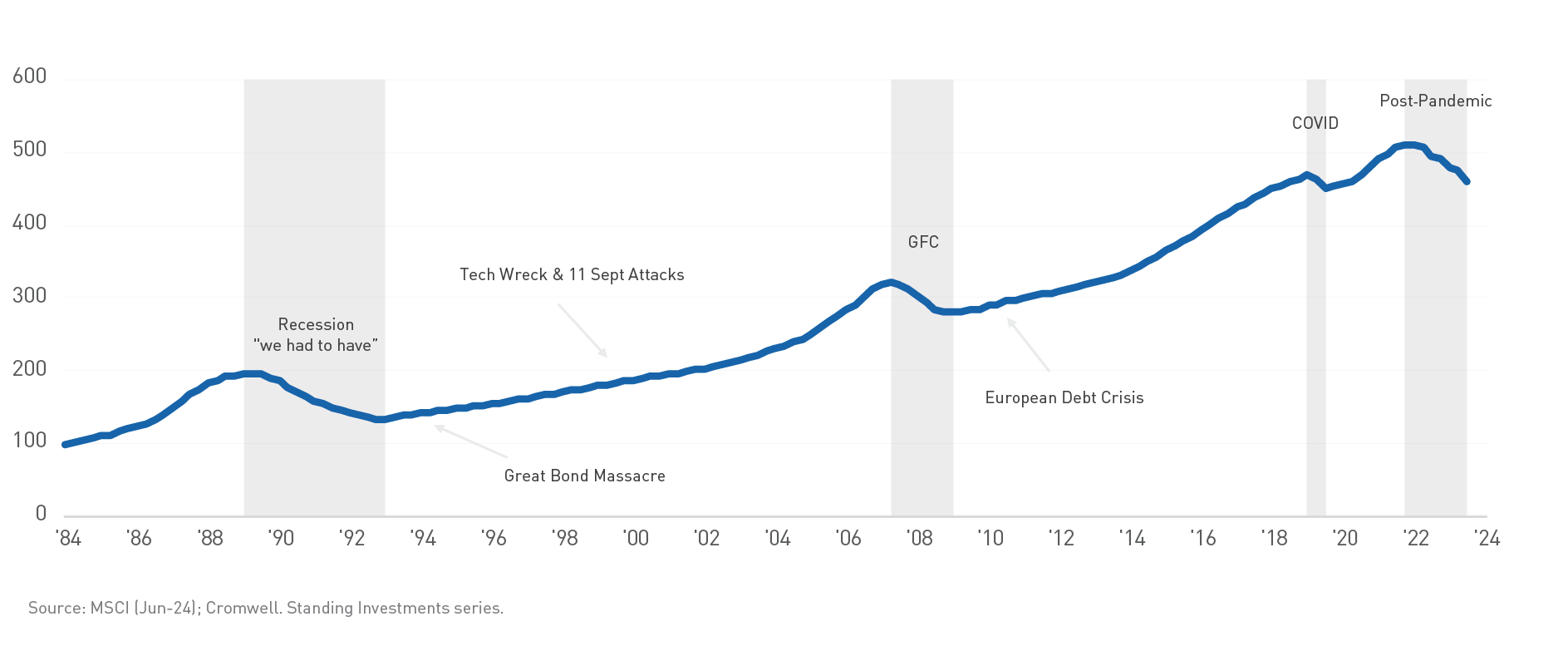
Over the past 40 years, investing in Australian office, industrial, and retail properties has generally paid off, with property values growing steadily despite facing a number of downturns and crises. While looking at a shorter timeframe will accentuate cyclical ups and downs, the market has shown a long-term upward trend.
Adopting a long-term approach when investing in property means investors can benefit from this steady growth. This approach helps avoid the stress of predicting market movements. Sticking to a disciplined, long-term strategy based on solid fundamentals can help investors navigate market cycles, reduce risk, and build wealth over time.

Getting in on the ground floor

It’s hard to know exactly when any market will peak or bottom out, but there are signs that can give clues about the general position of the commercial property cycle – whether it’s falling, stabilising, rising, or peaking.

With rate cuts expected in 2025, financial markets believe the overall economic cycle is close to turning. Similar signs are appearing in commercial property, with slower cap rate expansion in some sectors and increased transaction activity. For office spaces, very low rents and limited supply are reasons for optimism and present a good buying opportunity.

For investors who have the courage and capital to buy now, the benefits can be significant. Attractive prices are available, with buyers able to take advantage of distressed sales and the gap between market fundamentals and sentiment. While choosing the right properties is still crucial for investment returns, getting in early and riding the market upswing can provide a strong advantage for investors. Those who have been patient and held onto their investments through this stage of the cycle are also likely to benefit.

  1. Source: Cromwell (Jun-24)
  2. Source: Cromwell analysis of JLL data (Jun-24)
  3. Source: International construction market survey 2024 (Turner & Townsend)
Person typing on a laptop

Learn

Home Learn
September 25, 2024

What’s in a Cap Rate

Stuart Cartledge, Managing Director of Phoenix Portfolios


Capitalisation rates, commonly known as “cap rates”, are a fundamental metric in Australian property investing. When a commercial property is sold, two pieces of information will be widely reported. Firstly, the amount the property sold for and secondly, the cap rate. Often properties will be compared by their respective cap rates. Reports will often comment on the “implied cap rates” of different property securities. However, this seemingly simple and ubiquitous measure can be far more complex to use when comparing different types of properties.

What is and isn’t in a cap rate

Whilst different market participants may mean different things when referring to a cap rate, the Property Council of Australia (PCA) defines a cap rate as a property’s net operating income (NOI) divided by its property value estimate. For example, if a property generates an annual NOI of $500,000 and is valued at $10 million, the cap rate would be 5%. A purchaser might assume that they would receive a cash flow yield of 5% plus any rental growth that may occur. This isn’t necessarily the case and ignores key considerations.
 

Capital Expenditure (Capex):

Commonly, properties require meaningful ongoing investment, which isn’t reflected in the NOI used to calculate cap rates. This investment is known as capex and comes in many different forms. It may be maintenance capex, which refers to significant replacements or additions to maintain the standard of an existing building. For office properties, this may include replacing lifts or air conditioning units, each of which may need a full replacement as often as every 15 years. For shopping centre properties, capex may include items such as escalators or shared facilities such as bathrooms. Maintenance capex is not directly reflected in increased rent and is commonly used to “maintain” the relevance of an existing building. This amount is often referred to as a percentage of a building’s value. For example, if a building worth $100 million requires maintenance capex of $500,000 per year, it is common to say it requires 0.5% (or 50 basis points) of maintenance capex.
 

Leasing Incentives:

To attract and retain tenants, commercial property owners often provide “incentives” to prospective and renewing tenants. These incentives can take many forms, but are commonly provided as rent-free periods, or contributions to a tenant’s fit-out. The size and form of incentives varies greatly between different property types. Incentives are commonly quoted as a percentage of the total rent to be paid over the tenant’s lease period. For example, if a tenant agrees to a 10 year lease for $100,000 per year, a 20% incentive would mean that $200,000 of benefits are provided to the tenant. Rent, less any incentives is called “effective rent” and in the above example effective rent would be $80,000 per year. Rent excluding incentives is called “face rent”. It is typically face rent that is used to calculate the NOI used in a cap rate.

Whilst not the subject of this article, it is worth noting that lease structures including term and rent reviews, as well as tenant quality are not considered in a cap rate. Buildings with longer leases, higher fixed rent increases and better tenant quality tend to attract lower cap rates than the alternative.

Now and then

In a past generation, institutional grade commercial property primarily consisted of office, retail and industrial property. Approximate leasing incentive and maintenance capex amounts across these subsectors 15 years ago can be seen in the table below:

Property Type A Grade Melbourne CBD Office Building A Grade Melbourne Shopping Mall Modern Melbourne Industrial Facility
Leasing Incentives 20% 0% 5%
Maintenance Capex 0.5% 0.5% 0.3%

Whilst there are some differences between the amount of cash flow leakage, the difference between property types is not enormous. Whilst industrial properties faced limited cash flow leakages, market rental growth had been extremely low for a long period. It may not have been perfect but comparing cap rates across these property types 15 years ago was not a terrible way to assess relative value.

Beyond any changes to leasing incentives and maintenance capex requirements, today’s listed property sector is much broader than it used to be. Alternative property types such as healthcare, social infrastructure, petrol stations and long WALE sale-and-leaseback properties are all part of the institutional investment landscape. Many of these property types are commonly leased in an owner favourable “triple-net” manner. A triple-net lease means a tenant is responsible for property taxes, building insurance and maintenance capital expenditure across the life of the lease.

A revised table approximating today’s leasing incentives and maintenance capex, including triple-net properties, can be seen below:

Property Type A Grade Melbourne CBD Office Building A Grade Melbourne Shopping Mall Modern Melbourne Industrial Facility Triple-net Property
Leasing Incentives 42.5% 15% 10% 0%
Maintenance Capex 0.6% 0.6% 0.3% 0%

Mind the Gap

It is clear when comparing the above tables, that the dispersion in incentives and capex has widened materially. In the case of an A grade office building, the gap between the building’s cap rate and its true cash flow yield is vast. The chart below demonstrates this visually for an office building with a 6% cap rate:

Mind-the-gap-graph-1

As can be seen, the cap rate in no way resembles the true cash flow of owning an office building, with more than half of the NOI received (used in calculating the cap rate) lost to capex and incentives.

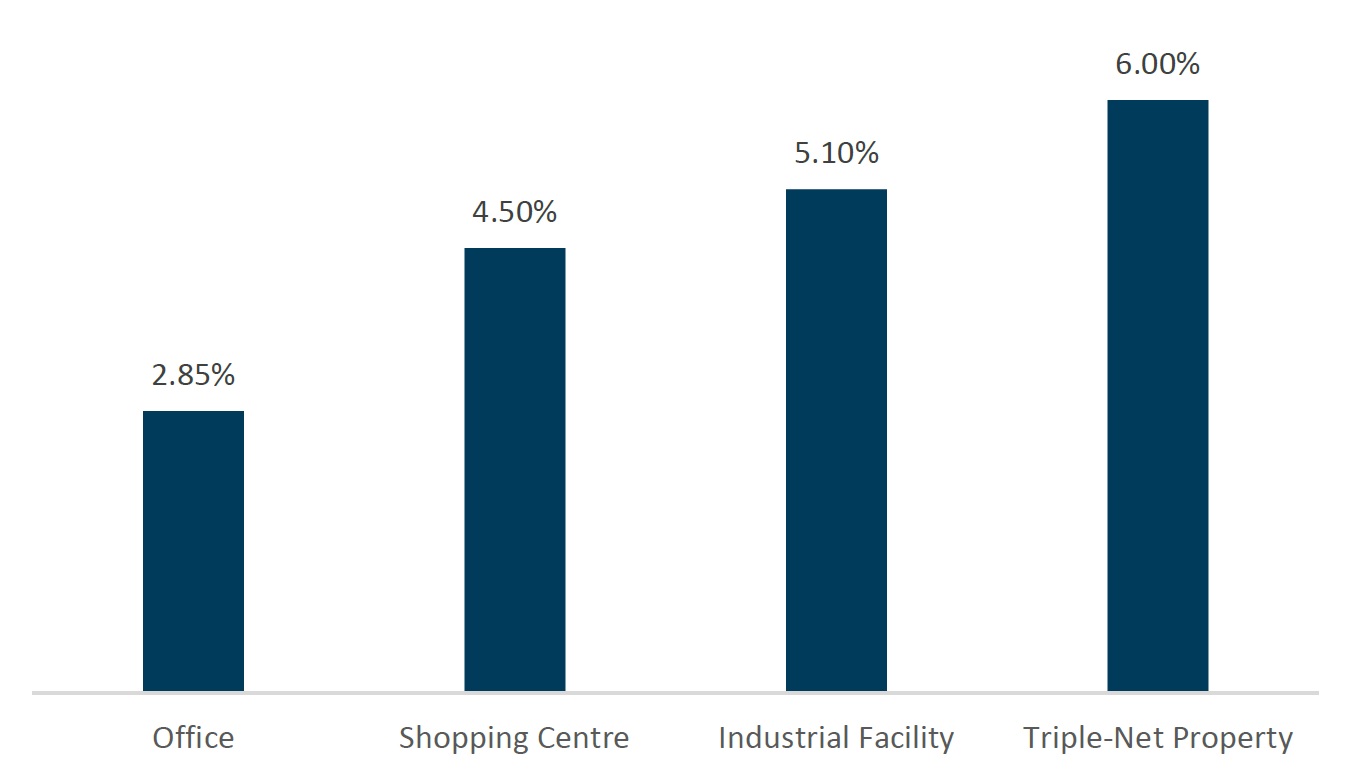
Consider the four assets in the above table. In this example, each has a cap rate of 6%. The chart below shows the cash flow yield of each:

Mind-the-gap-graph-2


What to do?

Phoenix actively considers the factors affecting cash flows (among others) and explicitly forecasts longer term capex and incentives that property owners will be required to pay. It is these cashflows that determine value, not next year’s dividend or simply observing a cap rate.

A comparison of Dexus (DXS) and Charter Hall Social Infrastructure REIT (CQE) shows the importance of looking beyond headline cap rates and how this affects how Phoenix manages the portfolio. DXS is predominantly an owner of high quality office properties across Australia. CQE is predominantly an owner of smaller properties leased to childcare providers on triple-net leases. CQE’s cash flow is boosted by a lack of incentives and capex. Childcare property rent is also an income stream heavily supported by the government, with support for funding of the sector a politically bipartisan issue. As at period end, DXS’ office cap rate implied by its share price was greater than 8.3%. CQE’s implied cap rate was more than 6.8%. If one were to merely compare cap rates, DXS would be the more attractive investment opportunity. It however faces significant cash outflows (in the form of capex and incentives) beyond what is measured in a cap rate. As such, Phoenix has held no position in DXS for some time and holds an overweight position in CQE.
 

The Detail is Important

Cap rates have the benefit of being simple. In the past they were also a reasonable way to compare property. As incentives and capex levels have diverged between different properties, merely looking at cap rates has become a less appropriate way to consider the relative attractiveness of different properties. By developing a more nuanced understanding of what’s truly “in a cap rate”, investors can make more informed decisions. Remember, the devil is always in the details, and in real estate investing, those details often lie beyond the simple cap rate calculation.
 

About Cromwell Phoenix Property Securities Fund

Read more about Cromwell Phoenix Property Securities Fund, including where to locate the product disclosure statement (PDS) and target market determination (TMD). Investors should consider the PDS and TMD in deciding whether to acquire, or to continue to hold units in the Fund.

Person typing on a laptop

Learn

Home Learn
May 30, 2023

Interest rates and property

Stuart Cartledge


In almost every market update and investor discussion Phoenix Portfolios reminds investors that property is an interest rate sensitive sector. All else equal, if interest rates decline the value of property should go up. The opposite is also true, as has been proven recently: when interest rates go up, property prices are likely to decline. This concept is simple, but its impact is not necessarily spread evenly across different types of property. Below we cover the impact of changing interest rates on various types of property and highlight some of the ways our investment process for the Cromwell Phoenix Property Securities Fund responds to a changing environment.


Residential property

Owning a home is seemingly the goal of almost every Australian. It is ingrained in Australian culture that one should strive to own a home; after all, it is the Australian Dream! A common refrain is “house prices always go up”. This has seemingly been true in most Australian capital cities, but the housing market is, as the name suggests, a market. Prices in a market are determined by demand and supply. This is also true for houses.

Before discussing the demand side of the equation, let’s briefly touch on supply. Many cities across Australia have notoriously challenging property planning regimes. Any proposal to develop new residential housing, or densify existing housing, tend to be faced with local opposition, combined with long and costly planning processes. An example can be seen in one of the portfolio’s holdings, Mirvac Group (MGR), which bought an old hotel in Brunswick, in Melbourne’s Inner North in 2021. Plans to knock down the hotel to build more than 150 apartments are still going through a planning process. At best these apartments will be delivered in 2026, although delays are likely. Since 2011, the number of residential dwellings in Australia has grown at 1.7% per annum1 , with much of that growth taking place on the outskirts of existing capital cities.

As was previously touched on, demand for housing is insatiable. Furthermore, Australia’s population has roughly grown in line with new dwellings and the amount of people living in each dwelling has been consistently decreasing. In a world where supply is limited, what stops prices going up infinitely? The answer is of course people’s capacity to pay. The vast majority of home buyers make use of a mortgage to buy their homes and so the amount that they can afford to borrow, will be very closely linked to how much they are willing to pay for a house. In this context, the impact of changing interest rates should be obvious.


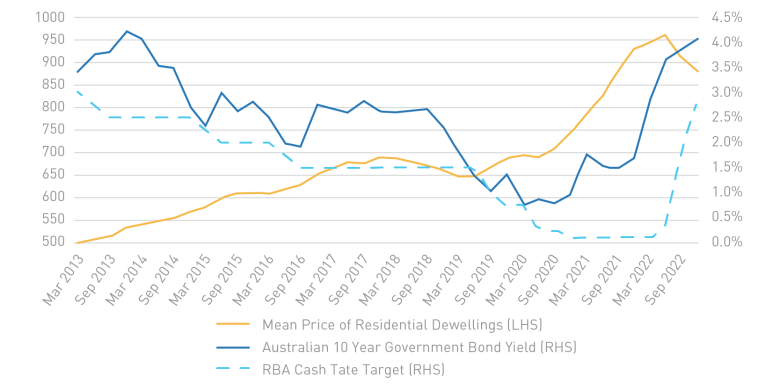
To illustrate this point. The Reserve Bank of Australia’s Target Cash Rate (Cash Rate) has moved from 0.1% to 4.10%. The monthly repayments on a $900,000 mortgage today are equivalent to the monthly repayments on a $1,420,458 mortgage when the Cash Rate was 0.1%. The change in house prices will naturally (inversely) follow changes in interest over time, albeit with somewhat of a lag. This can be seen in the chart on the right-hand side. Note how home prices accelerated when interest rates were at record lows.

Commercial property

Shopping centres, office buildings, industrial properties and other commercial property types may have bigger price tags than your average three-bedroom home, however many of the same dynamics are at play. Like residential property, most commercial property purchases are partly funded with debt. Unlike residential property, where mortgages can commonly comprise 90% of the value of the property, listed commercial property owners in Australia typically employ gearing levels of approximately 30%. Unlike many owner occupiers, commercial property investors require a financial return on their capital. In most cases, this means that debt must be “accretive” to the owner. Put more simply, the cash flow yield of the property should be greater than the interest rate on debt2. A natural relationship that comes from this is that as interest rates increase, the income yield owners require also rises. Assuming the amount of income is stable, this means that the value of the property must go down.


Again, much like residential property, market prices for commercial property are determined by supply and demand. The factors playing into demand are however different to residential markets. Many commercial property investors can, and do, invest across many asset classes. As a collective, their goal is to earn the best return they can in the least risky way possible. To invest in a riskier asset type they naturally require a higher return. An abbreviated list of asset classes and their risk levels can be seen below.


Asset Class Risk Level
Cash Very Low
Government Bonds Low
Corporate Debt Low to Moderate
Property and Infracstructure Moderate to High
Shares High


When interest rates increase, so does the income investors can earn from investing in cash, government bonds and corporate debt. That makes them relatively more attractive. When this happens the demand for property (at the same price as before rates increased) decreases. The return required from property then increases in order to make those returns relatively more competitive with lower risk alternatives.

How Cromwell Phoenix Property Securities Fund manages the impact of rising interest rates

So, with all the negative impacts of rising interest rates, does this mean investing in listed property is doomed? We do not believe so and we have been managing the portfolio for the current environment. Some ways we can adjust to investing in this environment include:

Buying securities at large discounts – The stock market is forward looking and the market prices changes in interest rates on a daily (even moment-by-moment) basis. In some cases, the market can overreact, leaving great buying opportunities. One such example we have discussed in the past is GPT Group, which ended the quarter trading at a discount of almost 30% to its net tangible asset backing.

Buying higher returning assets – Higher yielding assets are less affected by interest rates than their low yielding counterparts. For example, a 0.5% increase in capitalisation rate for an asset previously trading at 4%, represents a greater than 11% decline in value, while a similar move for an asset with a 7.5% capitalisation rate equates to only a 6.3% decline. Phoenix has invested in GDI Property Group, which owns higher capitalisation rate assets such as offices in Perth. The properties have the added benefit of being valued below their replacement cost, further adding to their relative attractiveness.

Buying assets with higher growth outlooks – When interest rates were at record lows, assets with high levels of growth were priced for perfection. This has moderated in recent times. Industrial property rents are growing at record levels, up 20% year-on-year in some domestic markets (and more than 50% in some foreign markets). In fast moving markets these assets may look optically expensive based on this year’s income yield, however are attractive if one looks forward. Phoenix has increased its stake to industrial property, taking meaningful positions in Goodman Group and Centuria Industrial REIT.

Once more it is worth reiterating that property is an interest rate sensitive sector. When we inevitably say this again in the future, hopefully the information above is useful in explaining what we mean. We are however very cognisant of the impact of interest rates along with many other extraneous factors. We will always strive to buy attractively valued securities and are constantly assessing assumptions and adjusting the portfolio to achieve this goal.


Footnotes

1. Source: Australian Bureau of Statistics
2. This is true in most cases, however many consider accretion to “total return”, which includes capital growth as well as income.

About Cromwell Phoenix Property Securities Fund

Read more about Cromwell Phoenix Property Securities Fund, including where to locate the product disclosure statement (PDS) and target market determination (TMD). Investors should consider the PDS in deciding whether to acquire, or to continue to hold units in the Fund.